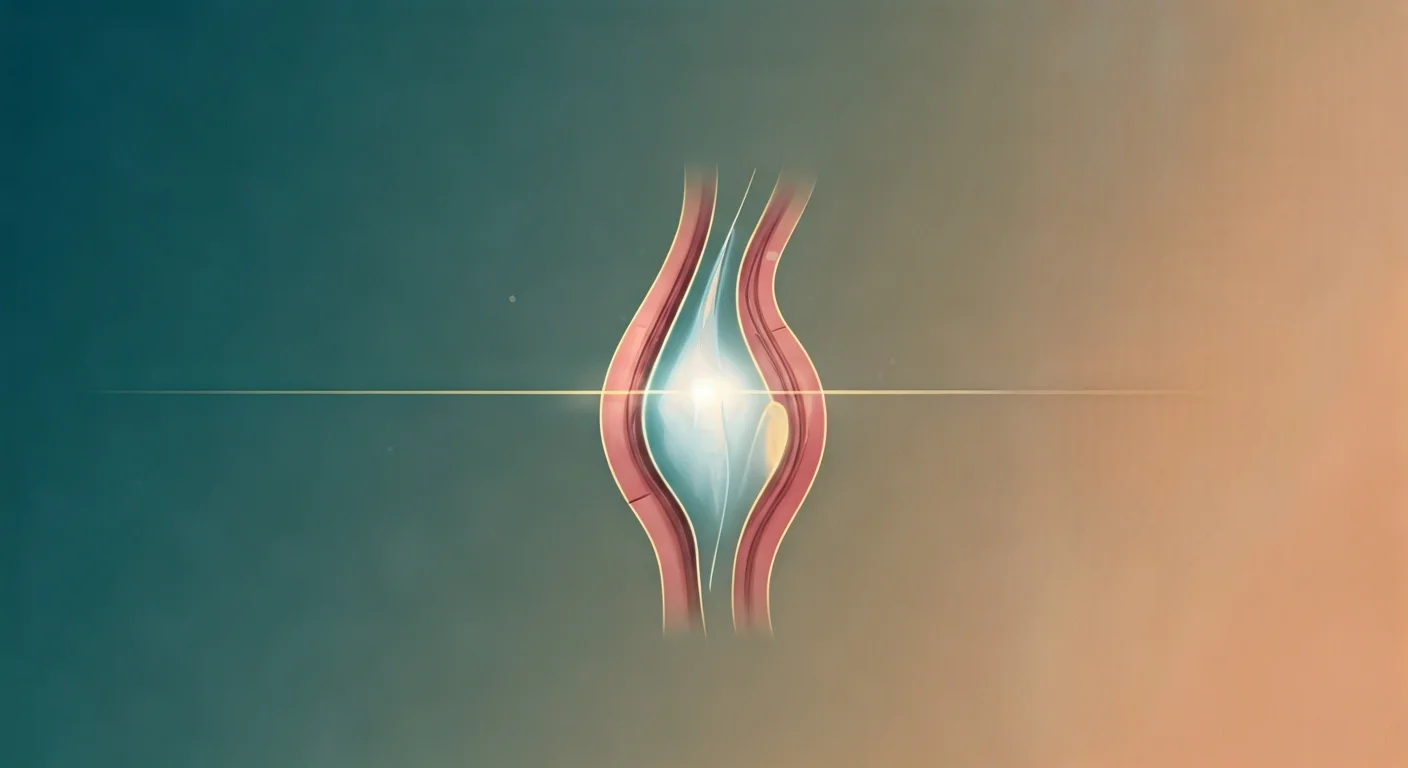
What is CLaCS and how does it precisely treat spider veins?
CLaCS, or Cryo-Laser and Cryo-Sclerotherapy, is an advanced technique combining laser energy, sclerosing agents, and intense skin cooling to treat spider veins and reticular veins. This method offers enhanced precision and effectiveness by targeting problematic vessels while minimizing discomfort. Dr. Rafael Costa utilizes CLaCS at SoulClin for optimal aesthetic and functional outcomes.
Medically Reviewed by Dr. Rafael Costa
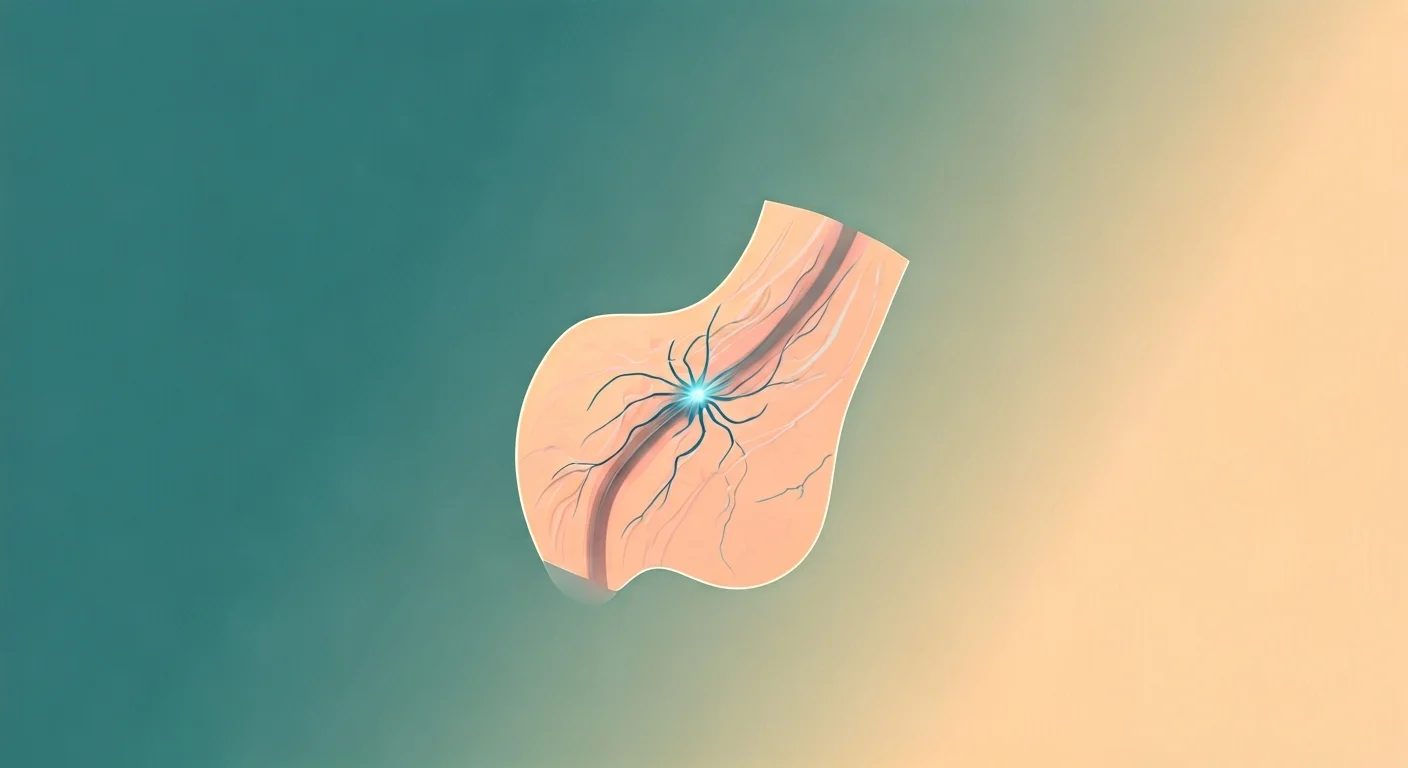
What are spider veins and why do they appear?
Resumo: Spider veins, medically known as telangiectasias, are tiny, visible blood vessels near the skin's surface, often appearing as red, blue, or purple lines. They are classified as C1 in the CEAP system. These common vascular concerns can arise due to various factors, including genetics, hormonal changes, prolonged standing, and sun exposure.
Spider veins are a common aesthetic and sometimes symptomatic concern. While generally harmless, they can cause discomfort like itching or burning for some individuals. Factors contributing to their development include hereditary predisposition, hormonal fluctuations (such as during pregnancy or menopause), obesity, and occupations requiring long periods of standing. Understanding the underlying causes helps in formulating an effective treatment plan.
At SoulClin, Dr. Rafael Costa emphasizes a thorough diagnostic approach to ensure that spider veins are not indicative of a deeper venous issue. This often involves a detailed physical examination and, if necessary, a vascular ultrasound to assess the health of larger underlying veins.
How does CLaCS therapy precisely target spider veins?
Resumo: CLaCS combines three powerful elements: a transdermal laser, an injectable sclerosing solution, and simultaneous skin cooling. The laser heats the vein, causing it to contract. Immediately after, a sclerosing agent is injected into the already treated vessel. The cryotherapy minimizes pain and protects the skin, enhancing treatment precision and patient comfort.
The mechanism of CLaCS is a synergistic approach designed for maximum efficacy. First, a high-precision laser delivers energy through the skin, selectively heating the blood within the spider vein. This thermal energy causes the vessel walls to shrink and seal shut. Following the laser application, a sclerosing liquid is injected directly into the same vein. This solution irritates the vein lining, leading to its complete closure and eventual reabsorption by the body.
Crucially, throughout the procedure, a specialized cooling device is used to chill the skin surface to extremely low temperatures (typically -20°C). This cryotherapy serves multiple purposes: it significantly reduces pain during the laser and injection steps, protects the skin from thermal damage, and constricts blood vessels, making them easier to target and improving the overall effectiveness of the treatment. This integrated approach allows for highly targeted treatment with improved patient experience.
What are the benefits of choosing CLaCS for vascular aesthetics?
Resumo: CLaCS offers several advantages for spider vein removal. Its combined approach provides enhanced efficacy, often leading to faster and more comprehensive clearance of veins compared to single-modality treatments. Patients typically experience minimal discomfort due to continuous skin cooling. The precision of CLaCS also helps achieve superior cosmetic results.
The innovative nature of CLaCS translates into tangible benefits for patients seeking to address spider veins. The combination of laser and sclerotherapy allows for a more robust and complete closure of the targeted vessels, reducing the likelihood of requiring multiple follow-up sessions for the same vein. The integrated cryotherapy significantly improves patient comfort, making the procedure more tolerable even for sensitive areas.
Furthermore, CLaCS is known for its ability to treat a wide range of spider and reticular veins, including those that might be resistant to conventional sclerotherapy alone. The visual guidance provided by the laser helps the vascular specialist precisely target the veins, contributing to the excellent aesthetic outcomes observed. Dr. Rafael Costa leverages this technology to deliver effective, patient-centered care, drawing on his experience from more than 15,000 vascular procedures performed.
Who is an ideal candidate for Cryo-Laser and Cryo-Sclerotherapy?
Resumo: Ideal candidates for CLaCS are individuals with visible spider veins (telangiectasias) and small reticular veins who desire aesthetic improvement or experience mild symptoms. A thorough medical evaluation by a vascular specialist, such as Dr. Rafael Costa, is essential to determine suitability and rule out underlying venous insufficiency. Generally, those with good overall health are good candidates.
While CLaCS is highly effective for many, it is not universally suitable for everyone. Patients with extensive underlying varicose veins requiring more invasive treatment, pregnant or breastfeeding women, individuals with certain skin conditions, or those with known allergies to sclerosing agents may not be ideal candidates. A comprehensive consultation with a qualified vascular surgeon is the first and most critical step.
During this consultation at SoulClin, Dr. Rafael Costa will review your medical history, perform a physical examination, and potentially recommend a vascular ultrasound. This ensures that CLaCS is the most appropriate and safest treatment option for your specific condition, aligning with a philosophy of evidence-based and individualized care.
How should I prepare for a CLaCS treatment session?
Resumo: Preparation for CLaCS is generally straightforward. Patients are typically advised to avoid sun exposure on the treatment areas for at least two weeks prior to the procedure. It is also important to moisturize the skin well and avoid applying lotions or oils on the day of treatment. Discussing all medications with your vascular specialist is crucial.
Proper preparation helps ensure the best possible results and minimizes potential side effects. Patients should inform Dr. Rafael Costa about any medications, supplements, or herbal remedies they are taking, especially blood thinners, as some may need to be adjusted or temporarily discontinued before the procedure. It is also recommended to wear loose, comfortable clothing on the day of treatment and bring compression stockings if advised.
Avoiding vigorous exercise or excessive alcohol consumption immediately before the session might also be recommended. Following these guidelines, provided by your vascular specialist at SoulClin, contributes to a smoother procedure and recovery. Clear communication with your medical team is always encouraged for any specific concerns.
What happens during a CLaCS procedure at SoulClin?
Resumo: During a CLaCS session at SoulClin, Dr. Rafael Costa meticulously maps the spider veins using a specialized light source. The procedure involves applying the transdermal laser to the targeted vein, immediately followed by the injection of a sclerosing solution. Throughout this process, the skin is continuously cooled to ensure patient comfort and protect the surrounding tissues. The session typically lasts 30-60 minutes.
The CLaCS procedure is performed in an outpatient setting and is designed for precision. Dr. Rafael Costa will first use a specific light to visualize the spider veins and any feeder reticular veins that might not be visible to the naked eye. This mapping helps in treating the source of the problem effectively. Each target vein is then treated sequentially.
The laser component is applied briefly to the skin over the vein, followed by the injection of the sclerosing agent using a very fine needle. The cryotherapy runs continuously, making the experience more comfortable. Patients may feel a mild stinging or prickling sensation during the injections, but the cooling significantly mitigates this. After the treatment, compression may be applied, and specific post-procedure instructions will be provided.
What can I expect during CLaCS recovery and aftercare?
Resumo: Recovery from CLaCS is typically quick, allowing most patients to resume normal activities almost immediately. Mild redness, swelling, or bruising in the treated areas is common and usually resolves within a few days to weeks. Compression stockings are often recommended to aid healing and optimize results. Sun exposure should be avoided for several weeks post-treatment.
Following a CLaCS procedure, patients are encouraged to walk regularly to promote circulation. Strenuous exercise, hot baths, saunas, and direct sun exposure on the treated areas should be avoided for a period specified by Dr. Rafael Costa. These measures help prevent complications and support the healing process.
Some patients may notice temporary hyperpigmentation (darkening of the skin) along the treated veins. This is usually transient and fades over time as the body reabsorbs the treated vessels. Follow-up appointments are crucial to monitor progress and determine if additional sessions are needed to achieve the desired outcome. Dr. Rafael Costa provides clear, detailed aftercare instructions tailored to each patient's needs.
Are there any potential risks or side effects associated with CLaCS?
Resumo: While CLaCS is generally safe, like any medical procedure, it carries potential risks. Common temporary side effects include localized redness, swelling, bruising, itching, and mild pain. Less common but possible side effects include temporary skin discoloration, small blisters, or allergic reactions to the sclerosing agent. Serious complications are rare but will be discussed during consultation.
Dr. Rafael Costa at SoulClin prioritizes patient safety and provides a comprehensive overview of all potential risks during the initial consultation. While the advanced nature of CLaCS aims to minimize adverse events, it is essential for patients to be fully informed. Temporary hyperpigmentation, though usually fading, can sometimes persist longer in certain skin types.
In very rare instances, more significant complications such as skin ulceration, scarring, or superficial phlebitis can occur. Deep vein thrombosis is extremely rare when CLaCS is performed correctly for spider veins. Adhering to pre- and post-procedure instructions and choosing an experienced vascular specialist significantly reduces the likelihood of complications. Open communication about any concerns after the procedure is vital for proper management.
How does CLaCS compare to traditional spider vein treatments?
Resumo: CLaCS offers a unique advantage over traditional standalone treatments like simple liquid sclerotherapy or isolated transdermal laser. By combining modalities, CLaCS often achieves more complete vein closure and superior aesthetic results in fewer sessions. The cryotherapy component also makes it a more comfortable option for many patients compared to laser alone.
Traditional liquid sclerotherapy involves injecting a solution into spider veins to close them. While effective, it may require more sessions for complete clearance, especially for very fine vessels. Transdermal laser alone can treat spider veins but might be less effective for slightly larger reticular veins and can be associated with more discomfort without cooling.
CLaCS integrates the strengths of both methods while mitigating their weaknesses. The laser pre-treats the vein, making it more receptive to the sclerosing agent, and the cryo-cooling makes the entire process more tolerable. This synergistic effect positions CLaCS as a highly efficient and patient-friendly option, particularly for C1 (telangiectasias or reticular veins) cases, offering a refined approach to vascular aesthetics. Dr. Rafael Costa's expertise ensures this advanced technique is applied with precision and care.
When should I consider CLaCS for my spider veins?
Resumo: You should consider CLaCS if you are bothered by the appearance of spider veins or experience mild associated symptoms. It is a highly effective option for those seeking a modern, minimally invasive treatment with excellent cosmetic outcomes. The first step is always a comprehensive evaluation by a qualified vascular specialist like Dr. Rafael Costa to discuss your specific needs.
Deciding on the right treatment for spider veins is a personal journey, but it should always begin with professional medical advice. If you have been contemplating treatment, or if your spider veins are causing you self-consciousness or discomfort, scheduling a consultation is advisable. Dr. Rafael Costa provides personalized care, ensuring that CLaCS or another suitable treatment option is chosen based on your unique vascular health profile.
At SoulClin in Belo Horizonte, you can expect a detailed assessment and clear explanations, empowering you to make an informed decision about your vascular care. This approach aligns with Dr. Rafael Costa's philosophy of active listening and evidence-based treatment, ensuring safe and conscious choices for his patients.
Frequently Asked Questions
Is CLaCS a painful procedure?
CLaCS is generally well-tolerated. The continuous cryotherapy, which cools the skin to very low temperatures, significantly minimizes discomfort during both the laser application and the sclerotherapy injections. Most patients describe the sensation as a mild prickling or stinging, rather than significant pain, making the treatment much more comfortable.
How many CLaCS sessions are usually needed?
The number of CLaCS sessions required varies depending on the extent and severity of the spider veins. Some patients may achieve desired results in one to two sessions, while others with more widespread veins might need several. Dr. Rafael Costa will provide an individualized treatment plan after a thorough evaluation.
How long does each CLaCS session take?
A typical CLaCS session usually lasts between 30 to 60 minutes. The exact duration depends on the number of areas being treated and the complexity of the spider veins. Dr. Rafael Costa meticulously works through each section to ensure thorough and effective treatment.
When will I see results after CLaCS treatment?
Results from CLaCS treatment are progressive. Some improvement may be noticeable within a few weeks, but optimal results typically become apparent after several months as the body gradually reabsorbs the treated veins. Multiple sessions, if needed, will further enhance the final aesthetic outcome.
Can CLaCS treat all types of varicose veins?
CLaCS is specifically designed for spider veins (telangiectasias) and small reticular veins (C1 classification). It is not typically used for larger varicose veins (C2 or higher) that may require different treatments like endovenous laser ablation or foam sclerotherapy. A proper diagnosis determines the best approach.
Is CLaCS treatment permanent?
Treated spider veins are permanently closed and reabsorbed by the body, meaning they will not reappear. However, CLaCS does not prevent the formation of new spider veins in the future due to underlying predisposing factors. Periodic maintenance sessions may be beneficial for some individuals.
What are the post-treatment restrictions after CLaCS?
After CLaCS, patients are advised to avoid strenuous exercise, hot baths, saunas, and direct sun exposure on the treated areas for a few weeks. Walking is encouraged to promote circulation. Compression stockings may be recommended. Dr. Rafael Costa will provide detailed post-care instructions tailored to your recovery.
Can CLaCS be performed on any skin type?
CLaCS can be performed on a wide range of skin types. The combination of laser and cryotherapy allows for safer treatment across different complexions. However, individuals with very dark skin tones may have a slightly higher risk of temporary hyperpigmentation, which will be discussed during the consultation.
Is CLaCS covered by health insurance plans?
Typically, CLaCS, when performed primarily for cosmetic reasons, is not covered by health insurance plans. However, if there are underlying medical symptoms or complications, parts of the evaluation or treatment may qualify. It is best to check with your specific insurance provider and discuss with SoulClin's team.
What are the advantages of CLaCS over traditional sclerotherapy?
CLaCS offers enhanced precision and efficacy due to its combined laser and sclerotherapy approach, often leading to faster and more complete results. The integrated cryotherapy significantly reduces discomfort and protects the skin, making it a more comfortable and advanced option for spider vein treatment compared to traditional methods.