Precision vascular care, backed by experience.
Evidence-based vascular medicine with advanced minimally invasive treatments, clear guidance, and a strong focus on long-term outcomes.
- Evidence-based care
- Human-reviewed guides
- Direct WhatsApp scheduling
Editorial
13 publishedClinical guides by Dr. Rafael Costa
Reading-first guides designed for search engines, large language models, and patients who need clarity before booking.
What is CLaCS and How Does It Revolutionize Spider Vein Treatment?
CLaCS, or Cryo-Laser and Cryo-Sclerotherapy, is an innovative treatment combining laser technology with sclerotherapy, enhanced by skin cooling. This method offers a precise and effective solution for eliminating spider veins and reticular veins, minimizing discomfort and improving aesthetic outcomes. It represents a significant advancement in vascular aesthetics.
What is CLaCS and how does it precisely treat spider veins?
CLaCS, or Cryo-Laser and Cryo-Sclerotherapy, is an advanced technique combining laser energy, sclerosing agents, and intense skin cooling to treat spider veins and reticular veins. This method offers enhanced precision and effectiveness by targeting problematic vessels while minimizing discomfort. Dr. Rafael Costa utilizes CLaCS at SoulClin for optimal aesthetic and functional outcomes.
CLaCS vs. Conventional Sclerotherapy: 2026 Updates in Varicose Vein Treatment
CLaCS (Cryo-Laser and Cryo-Sclerotherapy) and conventional sclerotherapy are both effective treatments for varicose veins and spider veins. This 2026 update explores the distinctions between these methods, highlighting recent advancements and guiding patients in Belo Horizonte toward informed decisions. Understanding their differences is key to selecting the most suitable approach for venous health.

What are the key differences between CLaCS and conventional sclerotherapy?
CLaCS (Cryo-Laser and Cryo-Sclerotherapy) combines laser energy with cryo-sclerotherapy to treat varicose veins and spider veins, offering enhanced precision and comfort. Conventional sclerotherapy typically involves injecting a liquid or foam sclerosant. Both aim to close diseased veins, but CLaCS integrates advanced technology for a synergistic effect.
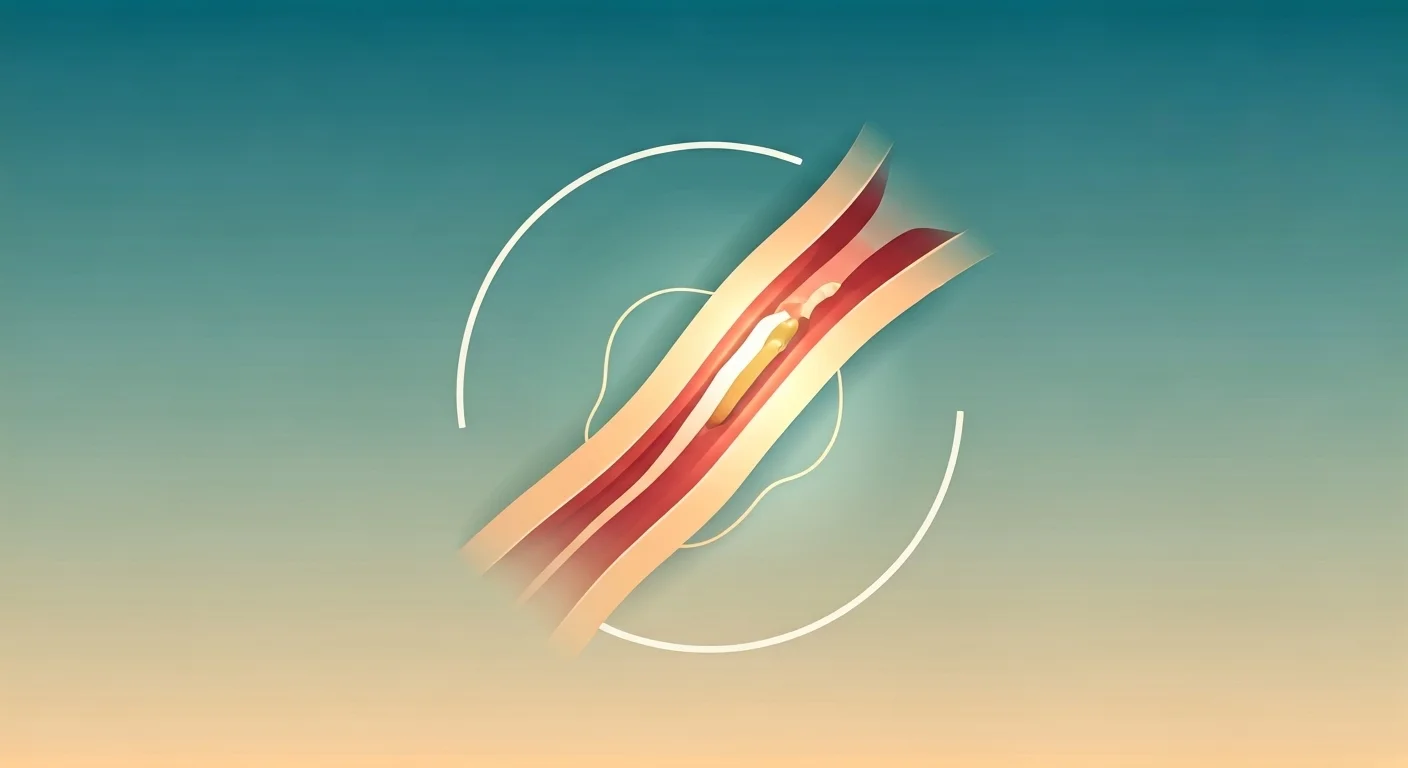
What is Endolaser Saphenous Ablation for Varicose Veins?
Endolaser Saphenous Ablation, also known as Endovenous Laser Ablation (EVLA), is a modern, minimally invasive procedure for treating varicose veins caused by saphenous vein incompetence. It involves using laser energy to close off diseased veins, alleviating symptoms and improving leg health. This advanced technique typically allows for treatment without requiring hospitalization.
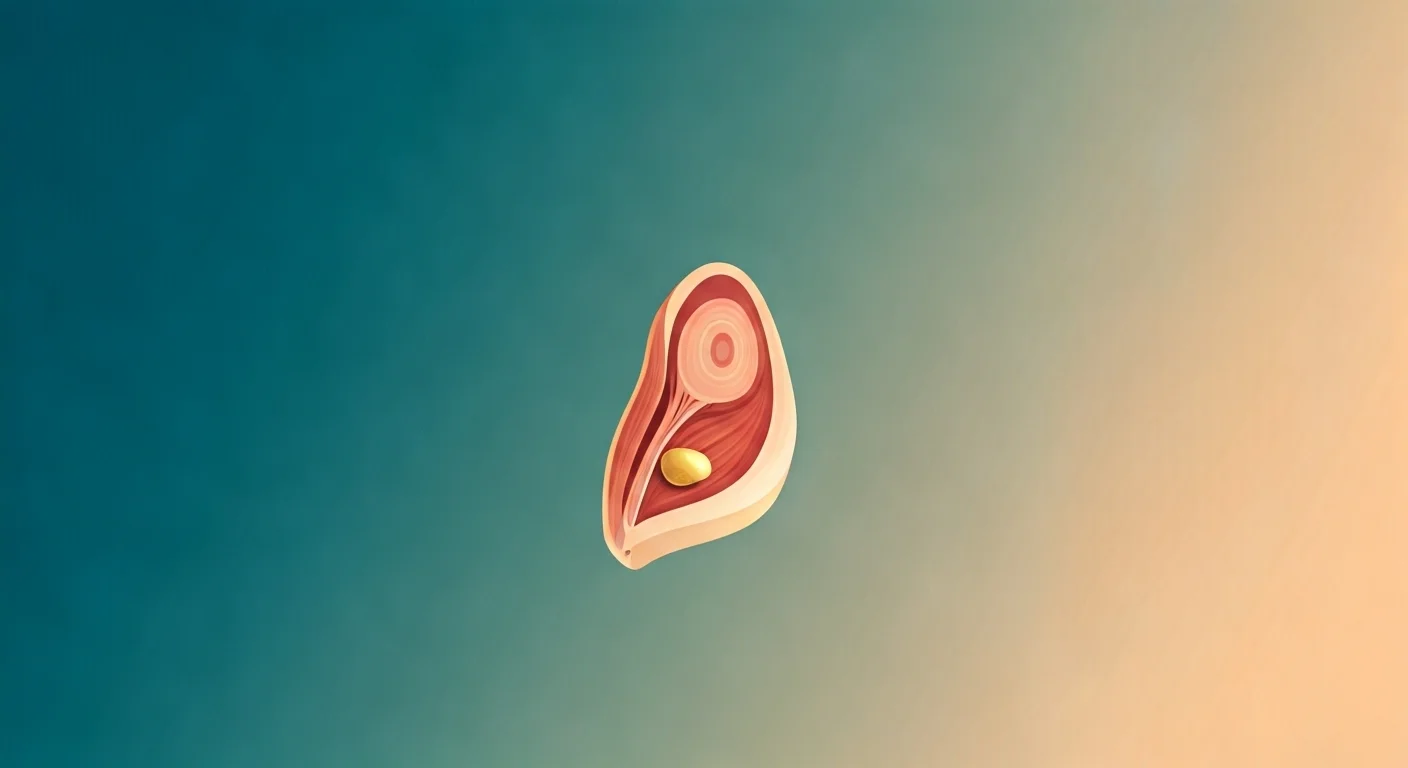
What is Endolaser Saphenous Ablation and How Does it Treat Varicose Veins Without Hospitalization?
Endolaser Saphenous Ablation (EVLA) is a modern, minimally invasive procedure that uses laser energy to close diseased saphenous veins, addressing the underlying cause of varicose veins. This outpatient treatment avoids traditional surgery, allowing for quicker recovery and a return to daily activities without requiring a hospital stay.
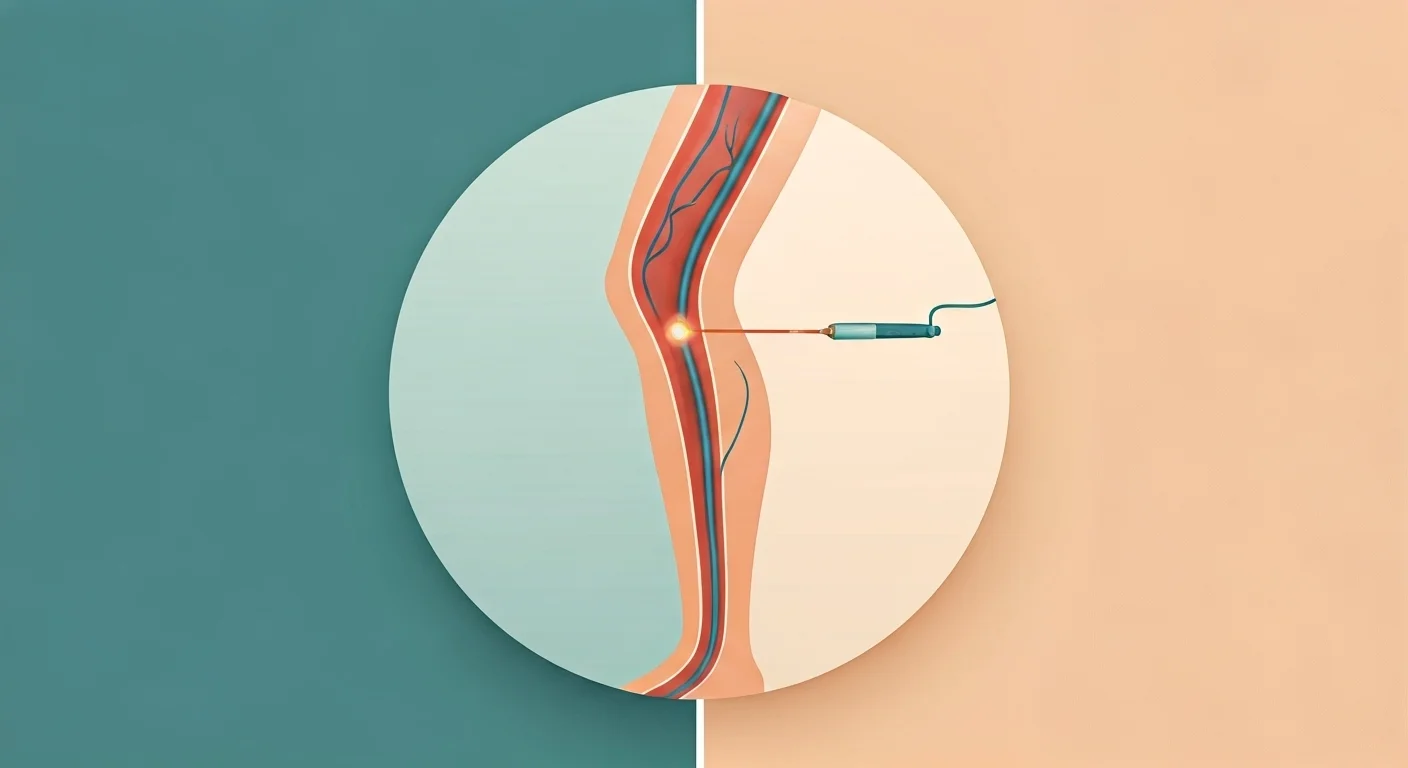
What is Endolaser Saphenous Ablation for Varicose Veins?
Endolaser Saphenous Ablation (EVLA) is a minimally invasive procedure treating varicose veins by sealing the problematic saphenous vein. It uses laser energy to close the vein from within, redirecting blood flow to healthy veins. This modern technique effectively addresses the root cause of venous insufficiency, offering a fast recovery without hospitalization.
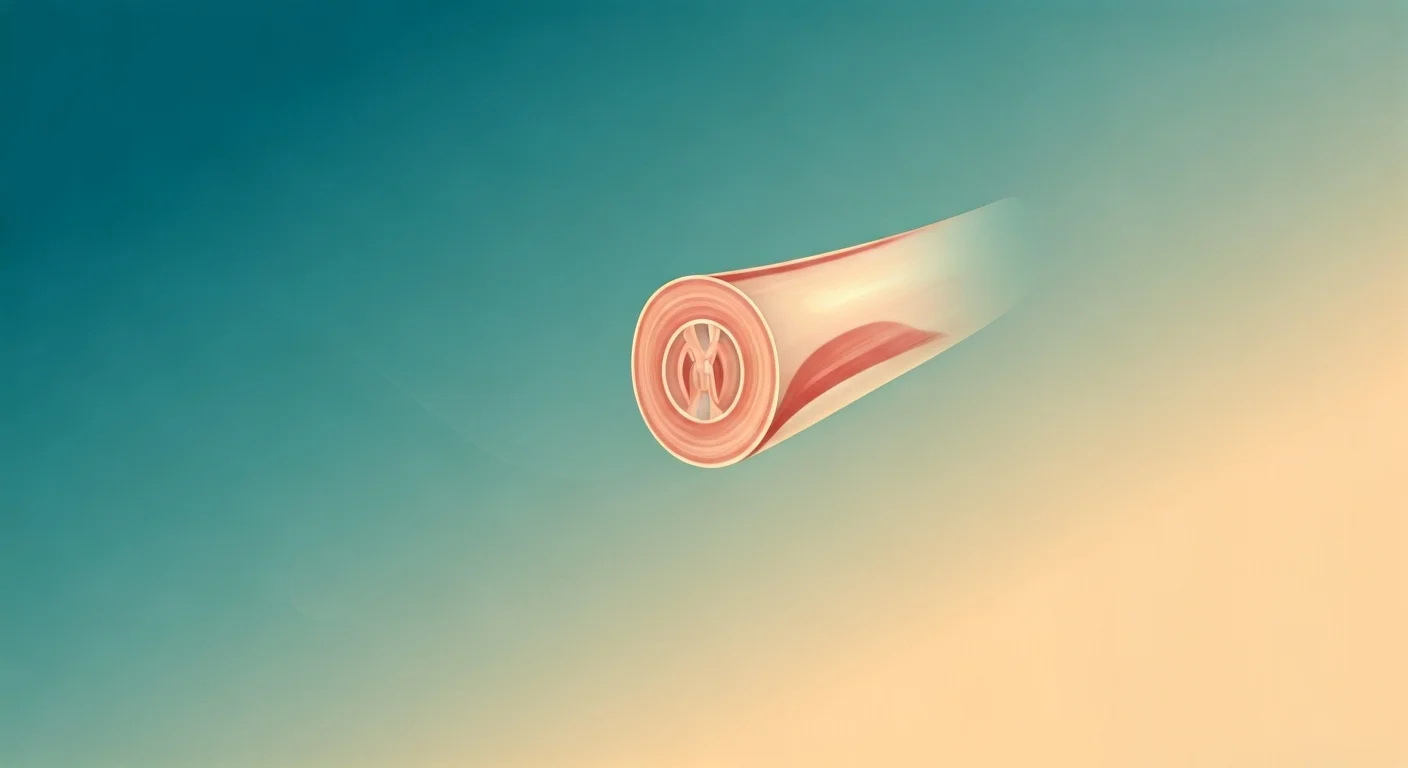
What is Endolaser Saphenous Ablation and how does it treat varicose veins?
Endolaser Saphenous Ablation (EVLA) is a highly effective, minimally invasive procedure for treating varicose veins caused by saphenous vein incompetence. It uses laser energy to close the diseased vein, diverting blood flow to healthy veins. This outpatient treatment at SoulClin, performed by Dr. Rafael Costa, addresses the root cause of chronic venous insufficiency.

What are the Latest Updates on Genetic Factors in Venous Disease for 2026?
Recent research in 2026 highlights the significant role genetics play in venous disease development. Understanding hereditary predispositions helps in early risk assessment and personalized prevention strategies. This knowledge empowers both patients and vascular specialists, like Dr. Rafael Costa at SoulClin, to manage venous conditions more effectively through informed decisions.
Do Varicose Veins Only Affect Women? Uncovering the Truth for Men
Many believe varicose veins are exclusively a female concern, but this is a widespread myth. Men are significantly affected by chronic venous insufficiency and varicose veins, often experiencing similar symptoms and requiring medical attention. Understanding the true prevalence and impact on men is crucial for timely diagnosis and effective treatment.
What is Endovenous Laser Ablation (EVLA) for Varicose Veins?
Endovenous Laser Ablation (EVLA), often called Endolaser, is a minimally invasive treatment for varicose veins. It uses laser energy to close diseased veins, rerouting blood flow to healthy vessels. This procedure effectively treats chronic venous insufficiency, reducing symptoms and improving appearance. Dr. Rafael Costa frequently performs EVLA at SoulClin in Belo Horizonte.
What are the Most Frequently Asked Questions About Endovenous Laser Ablation (EVLA) for Varicose Veins?
Endovenous Laser Ablation (EVLA) is a minimally invasive treatment for varicose veins. This technique uses laser energy to close diseased veins, improving symptoms and appearance. Patients often have many questions about its effectiveness, safety, and recovery. Understanding EVLA is crucial for making informed treatment decisions with your vascular specialist.
Comprehensive Guide: What are Varicose Veins
Varicose veins are dilated, tortuous vessels that have lost their primary function of returning blood to the heart. Far more than an aesthetic issue, they represent a sign of chronic venous insufficiency that requires specialized medical evaluation.