What are the key differences between CLaCS and conventional sclerotherapy?
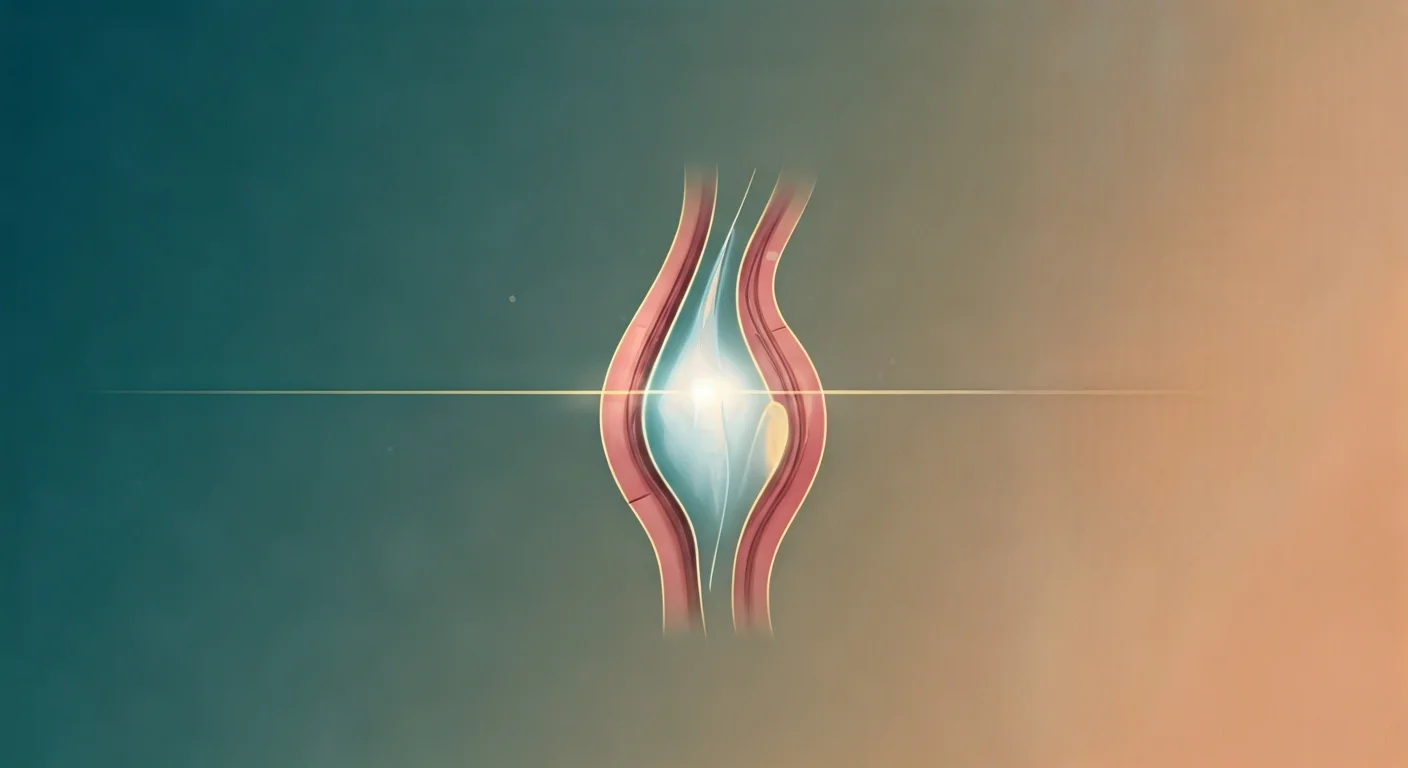
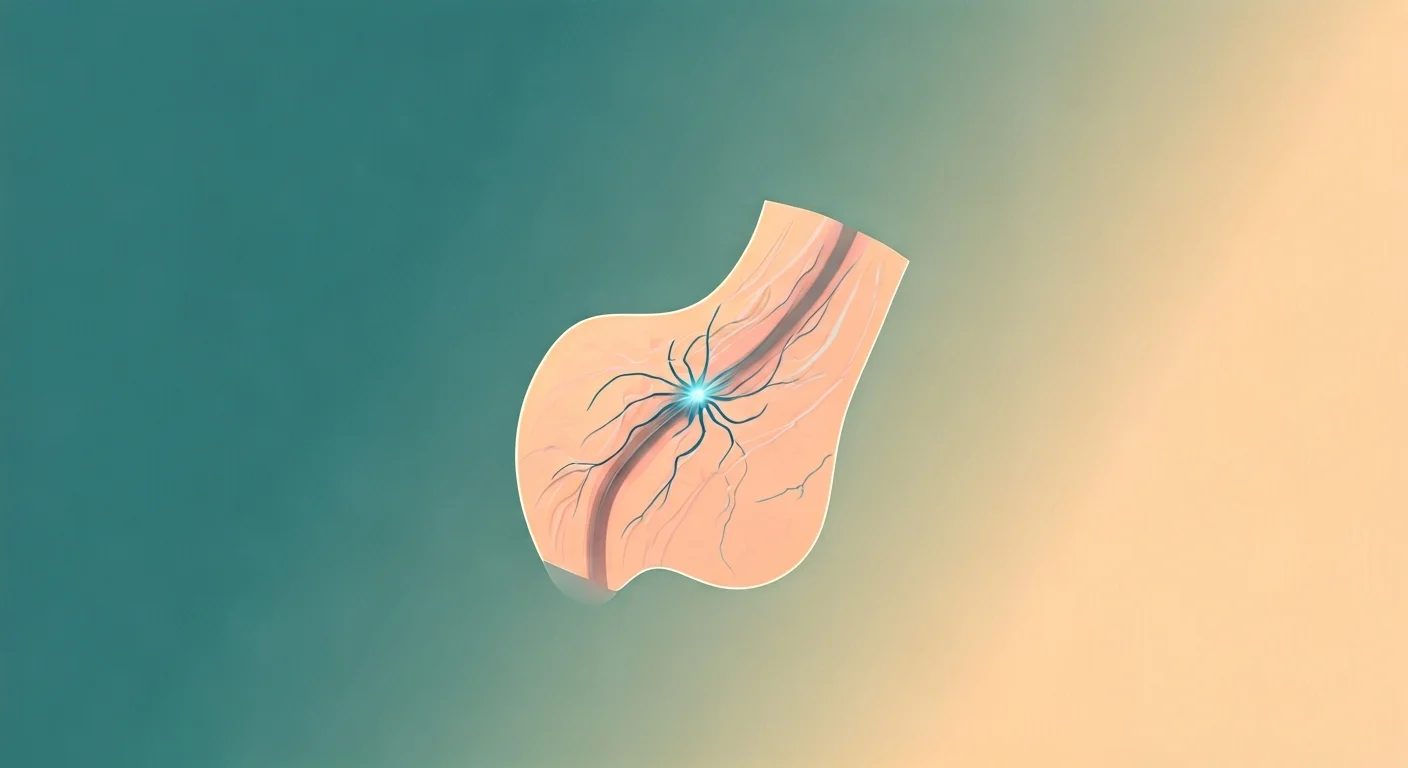
CLaCS (Cryo-Laser and Cryo-Sclerotherapy) combines laser energy with cryo-sclerotherapy to treat varicose veins and spider veins, offering enhanced precision and comfort. Conventional sclerotherapy typically involves injecting a liquid or foam sclerosant. Both aim to close diseased veins, but CLaCS integrates advanced technology for a synergistic effect.
Medically Reviewed by Dr. Rafael Henrique Rodrigues Costa

What is CLaCS and how does it work for varicose veins?
CLaCS is an innovative technique that combines transdermal laser with cryo-sclerotherapy, guided by augmented reality and skin cooling. The laser targets the vein, while the sclerosant injection completes the occlusion. Skin cooling minimizes discomfort and protects the skin, making the procedure more effective and safer for various types of vascular lesions.
Frequently Asked Questions
Is CLaCS more painful than conventional sclerotherapy?
Many patients report CLaCS to be less uncomfortable than conventional sclerotherapy due to the continuous cryo-cooling. The intense cold numbs the skin, significantly reducing the sensation from both the laser and the injection. While individual pain thresholds vary, the integrated cooling system aims to maximize patient comfort throughout the procedure.
How many CLaCS sessions are typically required for optimal results?
The number of CLaCS sessions varies based on the extent and type of veins treated. Smaller spider veins might require one to two sessions, while more extensive reticular veins or mild varicose veins could need three to five sessions. Dr. Rafael Costa provides a personalized treatment plan after a thorough vascular assessment.
Can CLaCS treat larger varicose veins effectively?
CLaCS is primarily indicated for spider veins and reticular veins, and some smaller varicose veins. For larger, more complex varicose veins involving saphenous vein reflux, procedures like Endovenous Laser Ablation (EVLA) or foam sclerotherapy might be more appropriate. A detailed ultrasound mapping guides the most effective treatment choice.
What is the recovery period after CLaCS versus conventional sclerotherapy?
Both CLaCS and conventional sclerotherapy are minimally invasive with relatively short recovery periods. Patients can typically resume normal activities immediately. Some mild bruising, swelling, or tenderness may occur, usually resolving within a few days to a week. Compression stockings are often recommended for both procedures to optimize healing.
Are there specific risks associated with CLaCS not present in conventional sclerotherapy?
CLaCS introduces risks related to laser use, such as temporary skin discoloration or, rarely, superficial burns if cooling is insufficient. However, the cryo-cooling significantly mitigates these risks. Conventional sclerotherapy carries risks like allergic reactions to the sclerosant or skin ulceration, which are common to both methods. Patient safety is paramount.
How does Dr. Rafael Costa determine which treatment is best for me?
Dr. Rafael Costa conducts a thorough evaluation, including a detailed medical history and a vascular ultrasound, often using Doppler mapping. He considers the size, location, and type of veins, your symptoms, aesthetic goals, and overall health. Based on this comprehensive assessment, he recommends the most appropriate, evidence-based treatment plan.
What is the role of augmented reality in CLaCS procedures?
Augmented reality in CLaCS allows the vascular surgeon to visualize veins that are not visible to the naked eye, particularly feeder veins that contribute to spider veins. This enhanced visualization improves the precision of both laser application and sclerosant injection, leading to more thorough treatment and potentially better long-term outcomes.
Can CLaCS and conventional sclerotherapy be combined?
Yes, it is common for vascular specialists to use a combination of techniques, sometimes even within the same session or across different sessions, to achieve the best results. The choice depends on the variety of veins present. Dr. Rafael Costa customizes treatment plans to address each patient's unique vascular needs effectively.
What are the long-term outcomes for veins treated with CLaCS vs. sclerotherapy?
Both CLaCS and conventional sclerotherapy offer durable results for treated veins, which are typically permanently closed and reabsorbed. However, new veins can form over time due to underlying venous insufficiency. Regular follow-ups and adherence to preventive measures, like compression, are crucial for maintaining long-term venous health.
What should I do to prepare for a CLaCS or sclerotherapy session?
Preparation typically involves avoiding lotions or oils on the legs on the day of the procedure and informing your doctor about any medications, especially blood thinners. Discuss any allergies or previous reactions to sclerosing agents. Following pre-procedure instructions from Dr. Rafael Costa helps ensure a safe and effective treatment experience.
Why is Dr. Rafael Costa's approach to CLaCS and sclerotherapy considered advanced?
Dr. Rafael Costa's approach integrates advanced technologies like augmented reality and cryo-cooling with extensive clinical experience, having performed over 15,000 vascular procedures. His commitment to individualized, evidence-based care ensures patients receive the most effective and comfortable treatment tailored to their specific venous condition and aesthetic goals.
Can CLaCS prevent new spider veins from appearing?
While CLaCS effectively treats existing spider veins and reticular veins, it does not prevent the formation of new ones. The development of new veins is often linked to genetic predisposition, lifestyle factors, and underlying venous insufficiency. Maintaining a healthy lifestyle and regular vascular check-ups can help manage venous health.