What is CLaCS and How Does It Revolutionize Spider Vein Treatment?
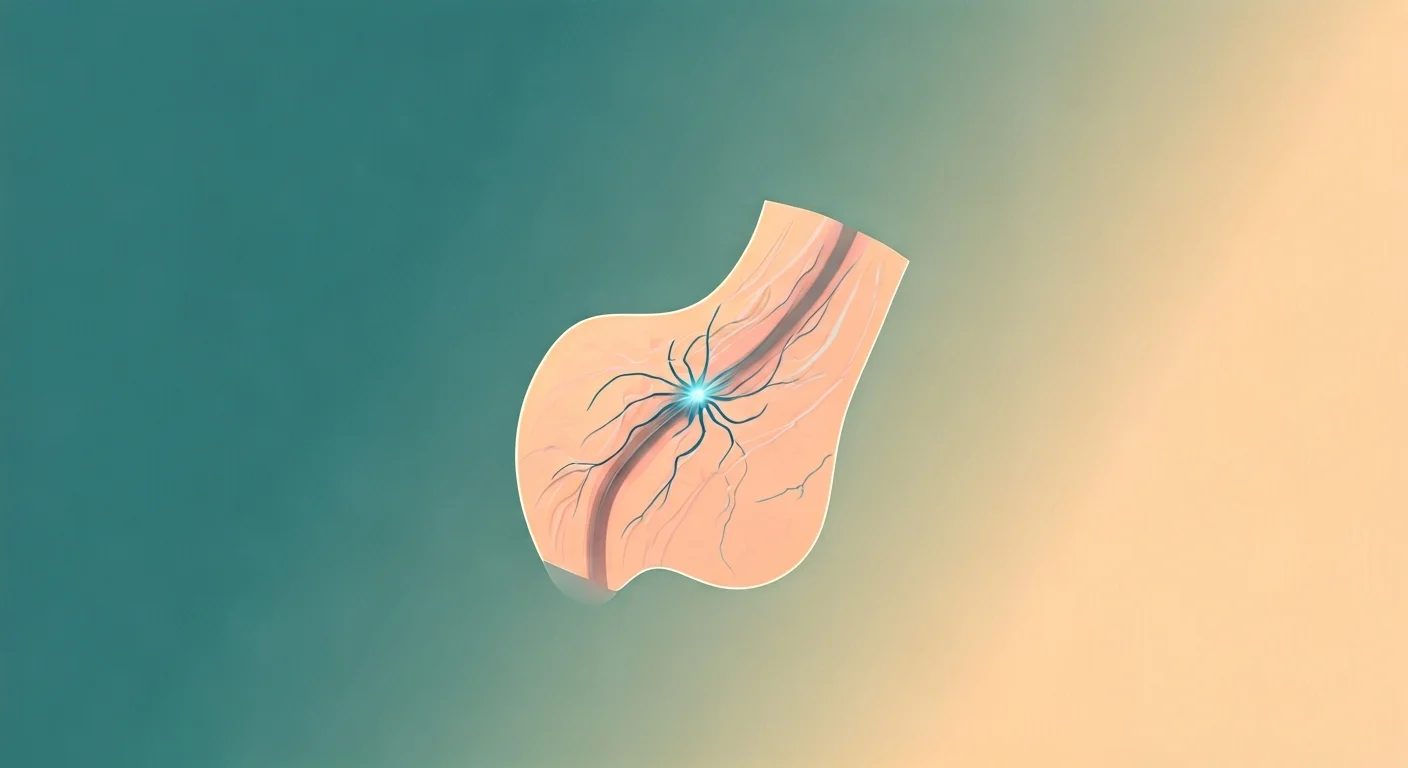
CLaCS, or Cryo-Laser and Cryo-Sclerotherapy, is an innovative treatment combining laser technology with sclerotherapy, enhanced by skin cooling. This method offers a precise and effective solution for eliminating spider veins and reticular veins, minimizing discomfort and improving aesthetic outcomes. It represents a significant advancement in vascular aesthetics.
Medically Reviewed by Dr. Rafael Henrique Rodrigues Costa
How Does CLaCS Technology Work to Treat Spider Veins?
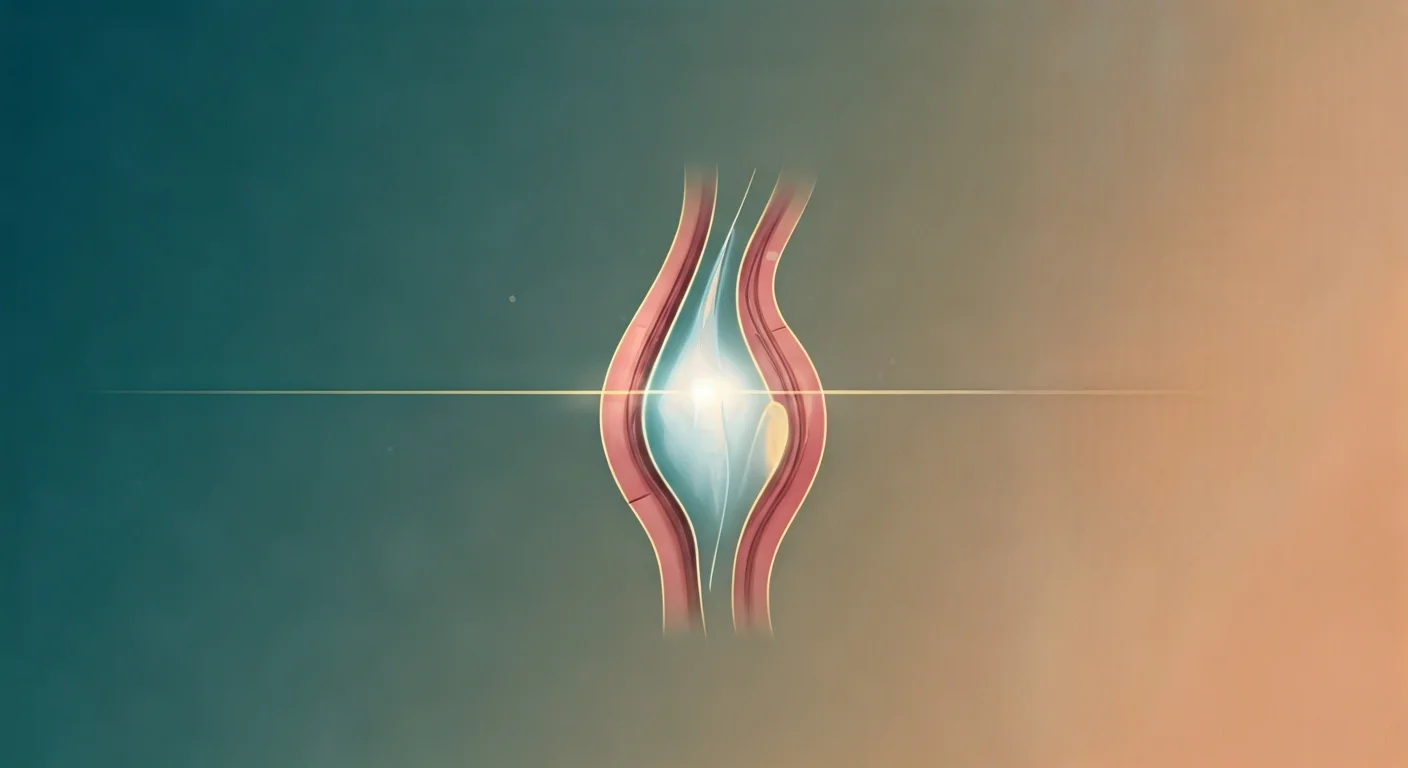
Resumo: CLaCS integrates three powerful components: a transdermal laser, sclerotherapy, and intense skin cooling. The laser targets the vein, causing it to contract, while the cold air protects the skin and reduces pain. Immediately after, a sclerosant liquid is injected into the same vein, ensuring its complete closure and absorption by the body.
The efficacy of CLaCS stems from its synergistic approach. The laser energy precisely heats the targeted vessel, leading to its collapse. Simultaneously, a continuous stream of chilled air, often reaching temperatures as low as -20°C, is applied to the skin surface. This cryotherapy protects the epidermis from thermal damage and significantly enhances patient comfort by numbing the area. Following laser application, a sclerosing agent, typically a highly concentrated glucose solution or polidocanol, is injected into the treated vein. This combination therapy ensures thorough and effective occlusion of the problematic vessels. This integrated method allows for treating a wider range of vein sizes with enhanced precision and reduced side effects compared to isolated treatments.
What Are the Key Advantages of Choosing CLaCS for Varicose Vein Treatment?
Resumo: CLaCS offers several advantages, including enhanced precision, reduced discomfort, and superior aesthetic results. The combined approach allows for treating veins more effectively, often requiring fewer sessions than traditional methods. Patients typically experience minimal downtime and can resume daily activities quickly, benefiting from the immediate cooling effect.
The precision achieved with CLaCS is notable. The transdermal laser allows for direct visualization and targeting of the affected veins, even those not visible to the naked eye, under magnified light. The integrated cooling system is a game-changer for patient comfort, significantly mitigating the burning sensation often associated with laser treatments and the sting of injections. This makes the procedure more tolerable, especially for individuals sensitive to pain. Furthermore, the dual action of laser and sclerotherapy often results in more complete closure of the veins, leading to better long-term aesthetic outcomes and a lower chance of recurrence for the treated vessels. Dr. Rafael Costa, with his extensive experience, emphasizes this precision and patient comfort at SoulClin in Belo Horizonte.
Who Is an Ideal Candidate for CLaCS Treatment?
Resumo: Ideal candidates for CLaCS are individuals with spider veins (telangiectasias) and reticular veins (small varicose veins) that are typically too small for surgical intervention but may not respond optimally to traditional sclerotherapy alone. Patients seeking an effective, minimally invasive solution with good aesthetic results are often suitable.
CLaCS is particularly effective for treating C1 veins, as classified by the CEAP system, which include telangiectasias and reticular veins. These are often superficial, appearing as red, blue, or purple lines on the skin. During a consultation at SoulClin, Dr. Rafael Costa conducts a thorough vascular assessment, including a physical examination and sometimes a Doppler ultrasound, to determine the underlying cause and suitability for CLaCS. This ensures that any deeper venous insufficiency, such as issues with the saphenous vein, is identified and addressed first. The comprehensive evaluation ensures CLaCS is the most appropriate and effective treatment choice for the patient's specific condition.
What Should I Expect During a CLaCS Procedure?
Resumo: A CLaCS procedure typically involves several steps performed in the clinic. After mapping the veins, the physician applies the laser to the skin while simultaneously delivering cold air. Immediately following the laser, a sclerosing solution is injected into the targeted vein. The process is repeated for all identified veins during the session.
Before the procedure begins, Dr. Rafael Costa meticulously maps the affected veins using a specialized light source that highlights the vessels beneath the skin. This mapping ensures precise targeting. During the treatment, the patient will feel intense cold air on their skin, followed by a brief warm sensation from the laser, and then a quick pinch from the injection. The continuous cooling significantly minimizes discomfort. Each session duration varies depending on the extent of the areas to be treated, but most sessions are outpatient, allowing patients to return home the same day. Patients are encouraged to walk immediately after the procedure to promote circulation.
What is the Recovery Process Like After CLaCS Treatment?
Resumo: Recovery after CLaCS is generally quick, with most patients resuming normal activities immediately. Some temporary side effects, like redness, mild swelling, or bruising, may occur in the treated areas. Compression stockings might be recommended for a short period to aid healing and optimize results.
Following a CLaCS session, it is common to observe some localized redness, slight swelling, and minor bruising along the treated veins. These effects are typically mild and resolve within a few days to a couple of weeks. Dr. Rafael Costa advises patients to avoid direct sun exposure on the treated areas and to use sunscreen to prevent hyperpigmentation. Light physical activity, such as walking, is encouraged to promote blood flow. Strenuous exercise or hot baths should be avoided for a few days. The treated veins will gradually fade over several weeks as the body naturally absorbs them, revealing clearer skin. Based on more than 15,000 procedures performed, patients at SoulClin generally report a smooth recovery.
Are There Any Potential Side Effects or Risks Associated with CLaCS?
Resumo: Like any medical procedure, CLaCS carries some potential side effects, though they are generally minor and temporary. These can include temporary skin discoloration, bruising, mild swelling, or a tingling sensation. Serious complications are rare, and proper patient selection and technique by an experienced vascular surgeon minimize these occurrences.
The most common side effects are localized and temporary. Skin discoloration, which can appear as brown staining (hyperpigmentation), typically resolves over several months but can sometimes persist longer. Bruising and swelling are also common and usually subside within a week or two. In rare cases, superficial skin burns or allergic reactions to the sclerosing agent may occur. However, when performed by a qualified specialist like Dr. Rafael Costa at SoulClin, who utilizes advanced ultrasound guidance and precise techniques, the risks are significantly reduced. Open communication with your physician about any concerns is always encouraged.
How Does CLaCS Compare to Traditional Sclerotherapy for Spider Veins?
Resumo: CLaCS combines laser and sclerotherapy, offering a more comprehensive approach than traditional sclerotherapy, which relies solely on injections. The added laser and cryo-cooling enhance efficacy, especially for resistant veins, and improve patient comfort. This combination often leads to faster, more effective results for many patients.
Traditional liquid sclerotherapy involves injecting a solution directly into spider veins to irritate and close them. While effective for many cases, some veins can be resistant, or patients may experience more discomfort. CLaCS, by integrating the laser, pre-damages the vein wall, making it more receptive to the sclerosing agent. This synergistic effect often leads to more complete and durable vein closure. The cryo-cooling component is a significant differentiator, dramatically improving the patient experience by reducing pain and protecting the skin. For a detailed comparison, consider reviewing resources like the article on CLaCS vs. Conventional Sclerotherapy: 2026 Updates in Varicose Vein Treatment on our site.
Why Should I Choose Dr. Rafael Costa and SoulClin for CLaCS Treatment in Belo Horizonte?
Resumo: Dr. Rafael Costa brings extensive expertise in vascular surgery and minimally invasive treatments, including CLaCS, to SoulClin in Belo Horizonte. With a philosophy centered on patient comfort and evidence-based care, he ensures personalized treatment plans utilizing advanced technology. His practice is dedicated to achieving optimal aesthetic and health outcomes.
At SoulClin, Dr. Rafael Costa, with CRM-MG 50839 and RQE 34276, 56282, is committed to providing state-of-the-art vascular care. His approach to CLaCS treatment is meticulous, combining deep scientific knowledge with an artistic eye for aesthetic results. Patients benefit from a comprehensive evaluation, transparent discussions about treatment options, and a focus on minimizing discomfort throughout the process. The clinic in Belo Horizonte is equipped with modern technology to ensure precise and effective treatments. Dr. Costa's dedication to continuous learning and adoption of proven innovations like CLaCS ensures patients receive high-quality, individualized care.
Frequently Asked Questions
Is CLaCS painful?
CLaCS is designed to minimize discomfort. The integrated cryo-cooling system delivers cold air to the skin, numbing the area and protecting it from the laser. While patients might feel a brief warm sensation from the laser and a slight pinch from the injection, it is generally well-tolerated, much more so than traditional methods.
How many CLaCS sessions are typically needed?
The number of CLaCS sessions varies depending on the extent and severity of the spider veins. Most patients require between 2 to 4 sessions to achieve optimal results, with treatments spaced several weeks apart to allow for proper healing and assessment of progress. A personalized plan is created during consultation.
Can CLaCS treat large varicose veins?
CLaCS is primarily indicated for spider veins (telangiectasias) and reticular veins (small varicose veins). Larger varicose veins often require different treatments, such as endovenous laser ablation or foam sclerotherapy. Dr. Rafael Costa will recommend the most appropriate treatment based on a comprehensive diagnostic evaluation.
What is the recovery time after CLaCS?
Recovery after CLaCS is typically minimal. Most patients can return to their normal daily activities immediately after the procedure. You might experience some temporary redness, swelling, or bruising, which usually resolves within a few days to two weeks. Strenuous exercise should be avoided for a short period.
Are the results of CLaCS permanent?
CLaCS effectively closes and eliminates the treated spider and reticular veins, making the results for those specific veins permanent. However, it does not prevent new veins from forming in the future due to underlying predispositions. Regular follow-ups and maintenance treatments may be recommended to sustain clear skin.
Can CLaCS be performed on any skin type?
CLaCS is generally safe for most skin types due to the protective cryo-cooling component. However, the laser settings are adjusted based on individual skin tone and vein characteristics to maximize safety and effectiveness. A thorough assessment during consultation ensures suitability for your specific skin type.
What precautions should I take before a CLaCS session?
Before a CLaCS session, it is advisable to avoid sun exposure and tanning in the treated areas for at least two weeks. Inform your physician about any medications you are taking, especially blood thinners. It's also recommended to avoid applying lotions or creams to the legs on the day of the procedure.
When will I see the results from CLaCS?
You may notice an immediate improvement, with some veins disappearing right after treatment. However, the full results typically become visible over several weeks as the body gradually absorbs the treated veins. The final aesthetic outcome usually becomes clear within 4-8 weeks after each session.
Can CLaCS be combined with other vein treatments?
Yes, CLaCS can often be part of a comprehensive vein treatment plan. For instance, if you have larger varicose veins or underlying saphenous vein issues, these might be addressed with procedures like endovenous laser ablation first. CLaCS then targets the remaining spider and reticular veins for optimal aesthetic results.
What is the role of the 'art' in CLaCS treatment?
Beyond technology, the 'art' in CLaCS refers to the vascular surgeon's skill in precisely mapping veins, selecting appropriate energy levels, and applying the sclerosing agent. It requires an aesthetic eye and extensive experience to achieve natural-looking results, ensuring both health and cosmetic satisfaction for the patient.