What is Endolaser Saphenous Ablation for Varicose Veins?
Endolaser Saphenous Ablation, also known as Endovenous Laser Ablation (EVLA), is a modern, minimally invasive procedure for treating varicose veins caused by saphenous vein incompetence. It involves using laser energy to close off diseased veins, alleviating symptoms and improving leg health. This advanced technique typically allows for treatment without requiring hospitalization.
Medically Reviewed by Dr. Rafael Henrique Rodrigues Costa

Why is the saphenous vein important in varicose vein development?
Resumo: The saphenous veins, located in the thigh and calf, are crucial for proper blood return from the legs to the heart. When their valves become dysfunctional, blood flows backward, a condition known as venous reflux. This reflux increases pressure in superficial veins, leading to the formation of visible, often symptomatic, varicose veins.
Chronic Venous Insufficiency (CVI) often originates from incompetence in the saphenous veins, particularly the Great Saphenous Vein (GSV) or Small Saphenous Vein (SSV). This condition affects a significant portion of the global population, estimated at 25-40% of women and 10-20% of men. The resulting venous hypertension can cause a cascade of issues, from cosmetic concerns to severe skin changes and ulceration, classified by the CEAP system (C2-C6).
Effective treatment frequently involves addressing the underlying saphenous vein reflux. By closing off the incompetent saphenous vein, the source of high pressure in the superficial venous system is eliminated, allowing blood to reroute through healthy veins.
How does Endolaser Saphenous Ablation work?
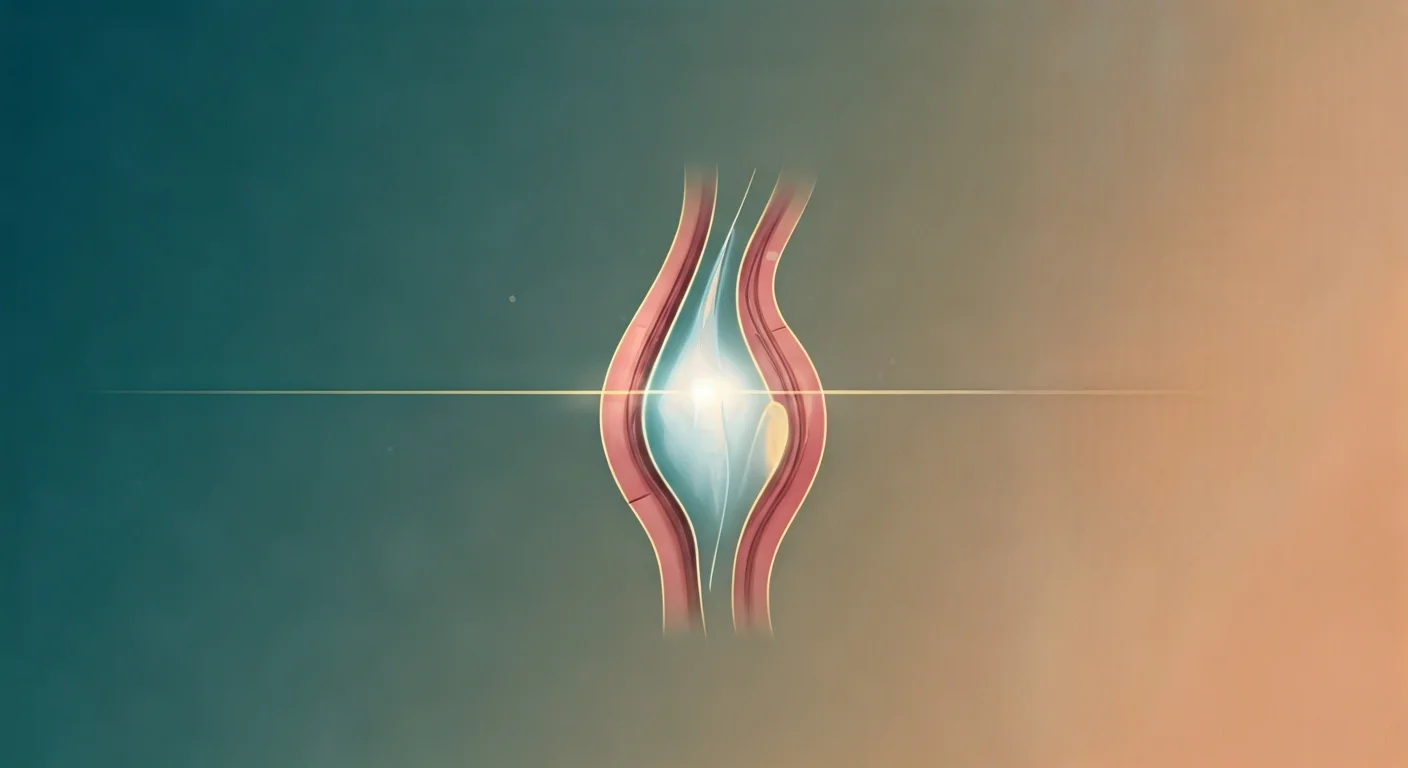
Resumo: Endolaser Saphenous Ablation uses targeted laser energy to heat and seal the diseased saphenous vein from the inside. A thin laser fiber is inserted into the vein under ultrasound guidance. The heat generated causes the vein walls to collapse and seal shut, redirecting blood flow to healthier veins. This process effectively eliminates the source of venous reflux.
The procedure is performed under local anesthesia, often with mild sedation, ensuring patient comfort. Dr. Rafael Costa, utilizing advanced ultrasound guidance, precisely navigates a small catheter into the compromised saphenous vein through a tiny skin incision. The laser fiber is then threaded through this catheter.
Once positioned, the laser is activated, and the fiber is slowly withdrawn. The controlled laser energy delivers heat uniformly along the vein, causing irreversible damage to the vein wall. Over time, the treated vein is naturally absorbed by the body. This approach avoids the need for large incisions or general anesthesia, contributing to a faster recovery.
What are the key benefits of Endolaser Ablation compared to traditional surgery?
Resumo: Endolaser ablation offers several advantages over traditional surgical stripping, including its minimally invasive nature, reduced pain, and faster recovery. It is typically performed as an outpatient procedure, meaning no hospital stay is required. Patients can often resume normal activities sooner, with less bruising and scarring compared to older methods.
Traditional varicose vein surgery, such as high ligation and stripping, involves physically removing the saphenous vein. This can be associated with more extensive incisions, a longer recovery period, and greater post-operative discomfort. Endolaser ablation, in contrast, involves only a tiny puncture site, often requiring just a small bandage.
- Minimally Invasive: Small incision, no stitches needed.
- Outpatient Procedure: Performed in a clinic setting, allowing patients to return home the same day.
- Reduced Pain and Bruising: Less post-operative discomfort compared to stripping.
- Faster Recovery: Most patients can return to light activities within a day or two.
- High Efficacy: Occlusion rates are consistently high, often exceeding 95% at five years.
According to the 2022 ESC guidelines, endovenous thermal ablation is recommended as a first-line treatment for great saphenous vein incompetence, reflecting its proven effectiveness and favorable patient outcomes.
Who is a suitable candidate for Endolaser Saphenous Ablation?
Resumo: Individuals experiencing symptoms of chronic venous insufficiency, such as pain, swelling, heaviness, skin changes, or non-healing ulcers due to saphenous vein reflux, may be suitable candidates. A thorough vascular ultrasound examination is essential to confirm saphenous vein incompetence and determine the best course of treatment. This assessment guides personalized care at SoulClin.
Dr. Rafael Costa conducts a comprehensive evaluation for each patient. This includes a detailed medical history, physical examination, and a crucial vascular Doppler ultrasound. The ultrasound helps visualize the venous anatomy, assess blood flow, and precisely identify incompetent valves in the saphenous veins. The CEAP classification system helps categorize the severity of the venous disease.
Patients with visible varicose veins (C2), leg swelling (C3), skin changes (C4a/C4b), or even healed/active ulcers (C5/C6) stemming from saphenous reflux are often excellent candidates. Contraindications are rare but may include severe arterial disease, certain clotting disorders, or pregnancy. The decision is always individualized, prioritizing patient safety and optimal results.
What can patients expect during the Endolaser recovery period?
Resumo: Recovery after Endolaser ablation is generally quick and straightforward. Patients are typically encouraged to walk immediately after the procedure to promote circulation. Compression stockings are usually prescribed for a period to aid healing and reduce swelling. Most individuals can resume normal daily activities within a few days, avoiding strenuous exercise for about a week.
Following the procedure at SoulClin, patients are advised to remain mobile. Walking helps prevent complications and promotes healthy blood flow. Mild discomfort, bruising, or tightness along the treated vein path are common and usually resolve within a week or two. Over-the-counter pain relievers can manage any discomfort.
- Immediate Post-Procedure: Walk for 30-60 minutes.
- Compression Therapy: Wear prescribed compression stockings for the recommended duration (typically 1-2 weeks).
- Activity: Avoid heavy lifting and strenuous exercise for 5-7 days.
- Follow-up: A follow-up ultrasound is usually scheduled within a week to confirm vein occlusion.
Dr. Rafael Costa provides detailed post-procedure instructions, ensuring a smooth and effective recovery. Based on more than 15,000 procedures performed, personalized guidance supports each patient's healing journey.
Are there any potential risks or complications associated with Endolaser Ablation?
Resumo: While Endolaser ablation is considered safe and effective, all medical procedures carry some potential risks. These are generally minor and uncommon, including temporary bruising, swelling, numbness, or skin discoloration. Serious complications like deep vein thrombosis or nerve damage are rare but possible. A thorough discussion of risks and benefits occurs before treatment.
The advanced techniques employed by Dr. Rafael Costa, combined with precise ultrasound guidance, significantly minimize potential complications. Most patients experience an uneventful recovery. However, it is important to be aware of possible, albeit infrequent, issues:
- Bruising and Swelling: Common and temporary, resolving within days to weeks.
- Numbness: Temporary numbness due to superficial nerve irritation, usually resolves.
- Skin Discoloration: Rare, but hyperpigmentation can occur along the treated vein, often fading over time.
- Phlebitis: Inflammation of the treated vein, managed with anti-inflammatory medication.
- Deep Vein Thrombosis (DVT): Extremely rare, but a potential risk with any venous procedure. Early mobilization helps mitigate this risk.
Dr. Rafael Costa ensures patients are fully informed about all aspects of the procedure, including potential risks, to facilitate informed decision-making aligned with his philosophy of clear explanations and evidence-based care.
Frequently Asked Questions
Is Endolaser Ablation painful?
The procedure is performed under local anesthesia, so you should not feel pain during the treatment itself. Some patients report a sensation of pressure or mild warmth. After the anesthesia wears off, you might experience some mild discomfort or tightness, which is usually manageable with over-the-counter pain medication.
How long does the Endolaser procedure take?
Typically, an Endolaser Saphenous Ablation procedure takes about 45 to 90 minutes per leg, depending on the complexity and length of the vein being treated. This includes preparation time, the procedure itself, and a brief recovery period before you are discharged to go home.
Will my varicose veins return after Endolaser treatment?
Endolaser ablation has a high success rate in permanently closing the treated vein. While the treated vein itself should not return, new varicose veins can develop over time in other areas if there is a predisposition. Regular follow-ups and maintaining a healthy lifestyle can help manage this potential.
When can I resume exercise after Endolaser?
You are encouraged to walk immediately after the procedure. Light activities can usually be resumed within a day or two. Strenuous exercise, heavy lifting, and high-impact activities should typically be avoided for about one to two weeks, or as advised by Dr. Rafael Costa during your follow-up.
Do I need to wear compression stockings after Endolaser?
Yes, wearing compression stockings is an important part of the post-procedure care. They help reduce swelling, minimize bruising, and support the healing process of the treated vein. Dr. Rafael Costa will provide specific instructions on how long and when to wear them, typically for one to two weeks.
Is Endolaser covered by health insurance?
Coverage for Endolaser ablation varies depending on your specific health insurance plan and the medical necessity of the procedure. It is generally considered a medical treatment for chronic venous insufficiency. We recommend checking with your insurance provider to understand your benefits and coverage details.
Can Endolaser treat all types of varicose veins?
Endolaser ablation is primarily used to treat larger varicose veins that originate from an incompetent saphenous vein. For smaller varicose veins, reticular veins, or spider veins, other treatments like foam sclerotherapy or transdermal laser may be more appropriate. A comprehensive evaluation will determine the best approach.
What is the success rate of Endolaser Ablation?
Endolaser Saphenous Ablation boasts a very high success rate, with studies showing vein occlusion rates above 95% at five years. This indicates that the treated vein remains closed and effectively managed in the vast majority of patients, leading to significant symptom improvement and enhanced quality of life.
How soon will I see results after Endolaser?
While the treated vein is closed immediately, the visible improvement in varicose veins and symptoms develops gradually. Swelling and discomfort typically diminish within a few weeks. The full aesthetic and symptomatic benefits often become more apparent over several months as the body reabsorbs the treated vein.
Can Endolaser be combined with other varicose vein treatments?
Yes, Endolaser ablation is often part of a comprehensive treatment plan. It can be combined with other procedures like foam sclerotherapy for smaller residual varicose veins or microphlebectomy for larger surface veins that are not directly connected to the saphenous reflux. Dr. Rafael Costa tailors combinations to individual needs.