What are the Latest Updates on Genetic Factors in Venous Disease for 2026?
Recent research in 2026 highlights the significant role genetics play in venous disease development. Understanding hereditary predispositions helps in early risk assessment and personalized prevention strategies. This knowledge empowers both patients and vascular specialists, like Dr. Rafael Costa at SoulClin, to manage venous conditions more effectively through informed decisions.
Medically Reviewed by Dr. Rafael Costa

What role do genetic factors play in venous disease development?
Genetics significantly influence an individual's susceptibility to chronic venous insufficiency and varicose veins. Family history of venous conditions increases personal risk, indicating inherited predispositions in vein wall integrity or valve function. Understanding these genetic links helps tailor preventive measures and informs early diagnostic approaches for at-risk individuals.
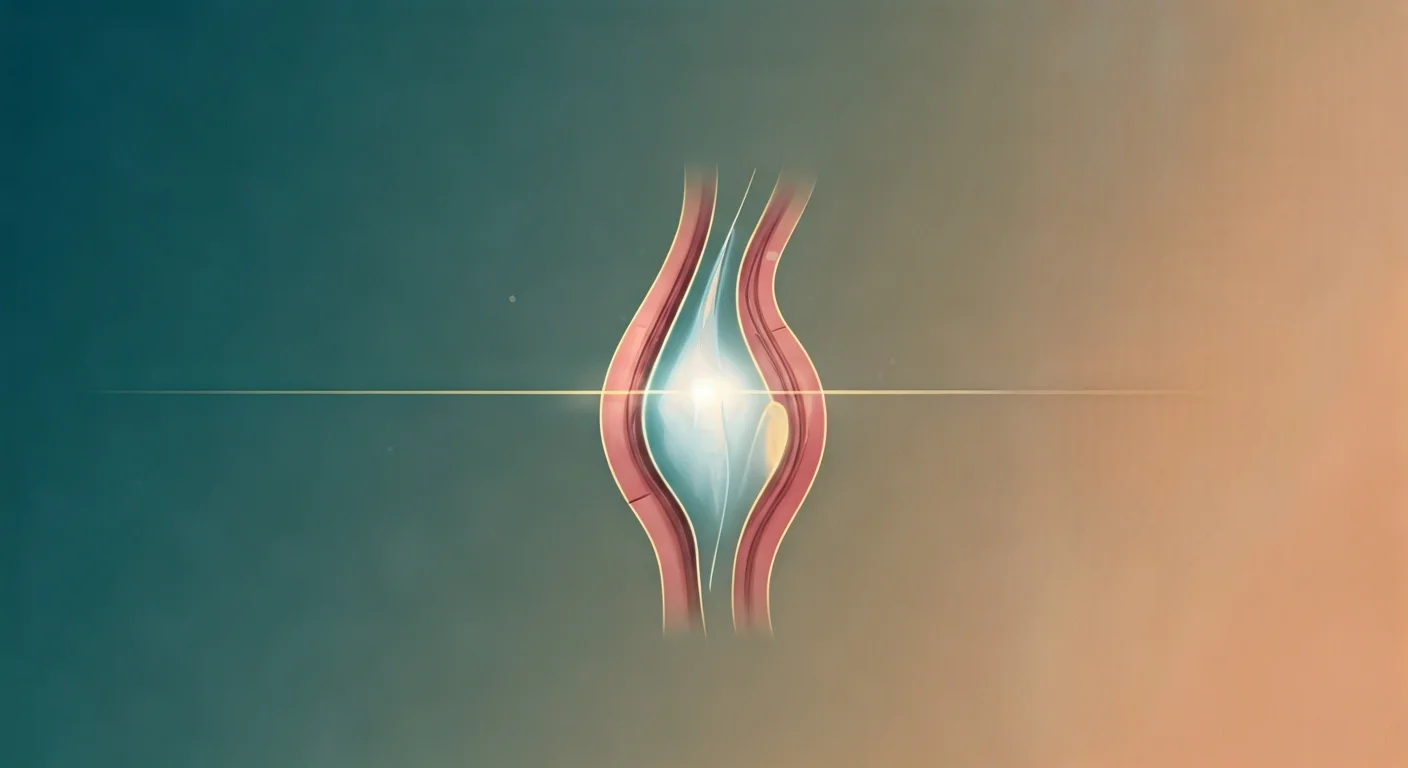
Venous disease, including varicose veins and chronic venous insufficiency (CVI), is not solely a result of lifestyle or environmental factors. A strong hereditary component is increasingly recognized. Studies show that having a parent or close relative with venous disease substantially elevates one's own risk. This genetic link often involves inherited weaknesses in vein walls or faulty venous valves, crucial components for proper blood flow back to the heart. At SoulClin in Belo Horizonte, Dr. Rafael Costa emphasizes discussing family medical history to better assess individual risk profiles.
Recent updates in 2026 continue to refine our understanding of specific gene loci associated with increased susceptibility. These genetic variations can affect collagen and elastin production, which are vital for vein wall strength, or influence inflammatory responses that contribute to vein damage. This evolving knowledge allows for a more nuanced understanding of disease progression and helps guide personalized patient care.
How do genetic predispositions manifest as symptoms of venous disease?
Individuals with genetic predispositions may experience earlier onset or more severe symptoms of venous disease. These can include leg heaviness, swelling, pain, and visible varicose veins or spider veins. The hereditary component often means symptoms emerge even without strong environmental triggers, necessitating vigilance and early medical evaluation.
Genetic predispositions can lead to the development of symptoms at a younger age or with greater severity compared to individuals without a strong family history. Common symptoms include a feeling of heaviness or aching in the legs, especially after prolonged standing, and noticeable swelling around the ankles. The appearance of visible varicose veins (C2 in the CEAP classification) or smaller spider veins (C1) can also be an early indicator of inherited susceptibility.
While lifestyle factors like obesity or prolonged standing can exacerbate these symptoms, the underlying genetic vulnerability means that some individuals develop venous issues despite maintaining a healthy lifestyle. Recognizing these early signs and understanding their potential genetic origin is crucial for timely intervention. Dr. Rafael Costa encourages patients to report any family history of venous problems during consultations.
What are the primary genetic causes identified for varicose veins and CVI?
Research points to several genetic markers and inherited conditions contributing to varicose veins and chronic venous insufficiency. Genes affecting connective tissue strength, inflammation pathways, and blood vessel development are often implicated. A strong family history remains the most prominent indicator of a genetic predisposition.
The genetic basis of varicose veins and CVI is complex, involving multiple genes rather than a single defect. Studies have identified associations with genes that regulate the extracellular matrix, which provides structural support to vein walls. Variations in these genes can lead to weaker vein walls, making them more prone to dilation and valve dysfunction under pressure. Additionally, genes involved in inflammatory processes and angiogenesis (new blood vessel formation) are under investigation.
While no single 'varicose vein gene' has been discovered, the cumulative effect of several genetic variations, combined with environmental factors, determines an individual's overall risk. Conditions like primary valvular incompetence, where valves fail without prior injury, are often linked to genetic factors. Dr. Rafael Costa emphasizes that a detailed medical history, including family patterns, helps to uncover these predispositions.
How does understanding genetics influence the treatment of venous disease?
Genetic insights inform a more personalized approach to treating venous disease by identifying individuals at higher risk for progression or recurrence. While genetic factors cannot be altered, this knowledge guides proactive monitoring, lifestyle modifications, and early intervention with treatments like endovenous laser ablation or sclerotherapy, as offered by Dr. Rafael Costa.
Understanding the genetic component of venous disease allows vascular specialists to offer more tailored and proactive care. For individuals with a strong genetic predisposition, early and regular screenings might be recommended, even before significant symptoms appear. This proactive approach aims to detect venous changes at their nascent stages, allowing for less invasive and more effective interventions.
While genetic factors themselves cannot be changed, their identification helps in managing modifiable risk factors more aggressively. Treatments available at SoulClin, such as Endovenous Laser Ablation (EVLA) for saphenous vein incompetence or foam sclerotherapy for varicose veins, can effectively manage the disease, regardless of its genetic origin. Dr. Rafael Costa, with his extensive experience, applies these evidence-based treatments, ensuring patients receive care optimized for their specific condition, including those with a hereditary component. Based on more than 15,000 procedures performed, personalized treatment plans yield better long-term outcomes.
Can lifestyle changes help prevent venous disease in genetically predisposed individuals?
Even with a genetic predisposition, lifestyle modifications can significantly mitigate the risk and slow the progression of venous disease. Regular exercise, maintaining a healthy weight, avoiding prolonged standing or sitting, and elevating legs are crucial. These actions support venous health and complement medical management for optimal outcomes.
Absolutely. While genetics load the gun, lifestyle often pulls the trigger. For individuals with a family history of venous disease, adopting a vein-healthy lifestyle becomes even more critical. Regular physical activity, particularly walking, helps pump blood out of the legs and improves circulation. Maintaining a healthy body weight reduces pressure on the veins.
Avoiding long periods of immobility, whether standing or sitting, can prevent blood from pooling in the lower extremities. When resting, elevating the legs above heart level for short periods can also alleviate venous pressure. Compression stockings are another effective conservative measure to support vein function. These proactive steps, combined with regular check-ups with a vascular specialist like Dr. Rafael Costa, form a robust strategy for managing genetic risk.
When should someone with a family history of venous disease seek medical consultation?
Individuals with a strong family history of varicose veins or chronic venous insufficiency should consider early consultation with a vascular specialist. This is especially important if they experience early symptoms like leg pain, swelling, or visible veins. Timely evaluation by experts like Dr. Rafael Costa allows for proactive management and reduces future complications.
If you have a close family member (parent, sibling) with varicose veins or a history of chronic venous disease, it is prudent to seek a vascular specialist's opinion, even if your symptoms are mild. Early signs such as leg fatigue, itching, or the development of spider veins should prompt a visit. Waiting until symptoms become severe, like persistent swelling (C3) or skin changes (C4a/C4b), can complicate treatment.
Dr. Rafael Costa at SoulClin, Belo Horizonte, provides comprehensive evaluations, including vascular ultrasound (Duplex Scan), to accurately assess venous health. This allows for early diagnosis of conditions like saphenous vein incompetence, enabling timely and minimally invasive treatments. Proactive consultation ensures that potential issues are addressed before they progress, aligning with the latest 2026 medical recommendations for personalized care.
Frequently Asked Questions
Is venous disease always genetic?
No, venous disease is not always genetic. While genetic predisposition significantly increases risk, environmental and lifestyle factors also play a crucial role. Many individuals develop venous conditions without a strong family history due to factors like obesity, prolonged standing, or hormonal changes. Genetics interact with these elements to determine overall susceptibility and disease severity.
Can I pass varicose veins to my children?
Yes, there is a hereditary component to varicose veins, meaning you can pass on a genetic predisposition to your children. While it does not guarantee they will develop the condition, their risk is notably higher if one or both parents have varicose veins. Encouraging healthy lifestyle habits from an early age can help mitigate this inherited risk.
Does exercise help if I have a genetic risk?
Yes, regular exercise is highly beneficial even with a genetic risk for venous disease. Physical activity, particularly walking or cycling, strengthens calf muscles, which are essential for pumping blood back to the heart. This improves circulation and reduces venous pressure, helping to delay onset or lessen the severity of symptoms despite genetic predispositions.
Are men or women more affected by genetic venous disease?
Women generally have a higher prevalence of venous disease, partly due to hormonal factors and pregnancies. However, genetic predispositions affect both men and women. While women may show symptoms earlier or more frequently, men with a strong genetic background are equally susceptible to developing significant venous issues, often with delayed diagnosis.
How is genetic risk assessed?
Genetic risk is primarily assessed through a detailed family medical history. Your vascular specialist will inquire about venous conditions in your parents, siblings, and other close relatives. While direct genetic testing for common venous disease genes is not routine, understanding family patterns helps estimate your personal inherited susceptibility and guides personalized preventive strategies and monitoring.
What new genetic research is impacting venous care in 2026?
In 2026, research continues to identify new genetic markers associated with vein wall integrity and valve function. These discoveries are enhancing our understanding of disease mechanisms and paving the way for more targeted therapies. While not yet in routine clinical use, these insights hold promise for future personalized medicine approaches in venous disease prevention and treatment.