What are the Most Frequently Asked Questions About Endovenous Laser Ablation (EVLA) for Varicose Veins?
Endovenous Laser Ablation (EVLA) is a minimally invasive treatment for varicose veins. This technique uses laser energy to close diseased veins, improving symptoms and appearance. Patients often have many questions about its effectiveness, safety, and recovery. Understanding EVLA is crucial for making informed treatment decisions with your vascular specialist.
Medically Reviewed by Dr. Rafael Henrique Rodrigues Costa
What is Endovenous Laser Ablation (EVLA)?
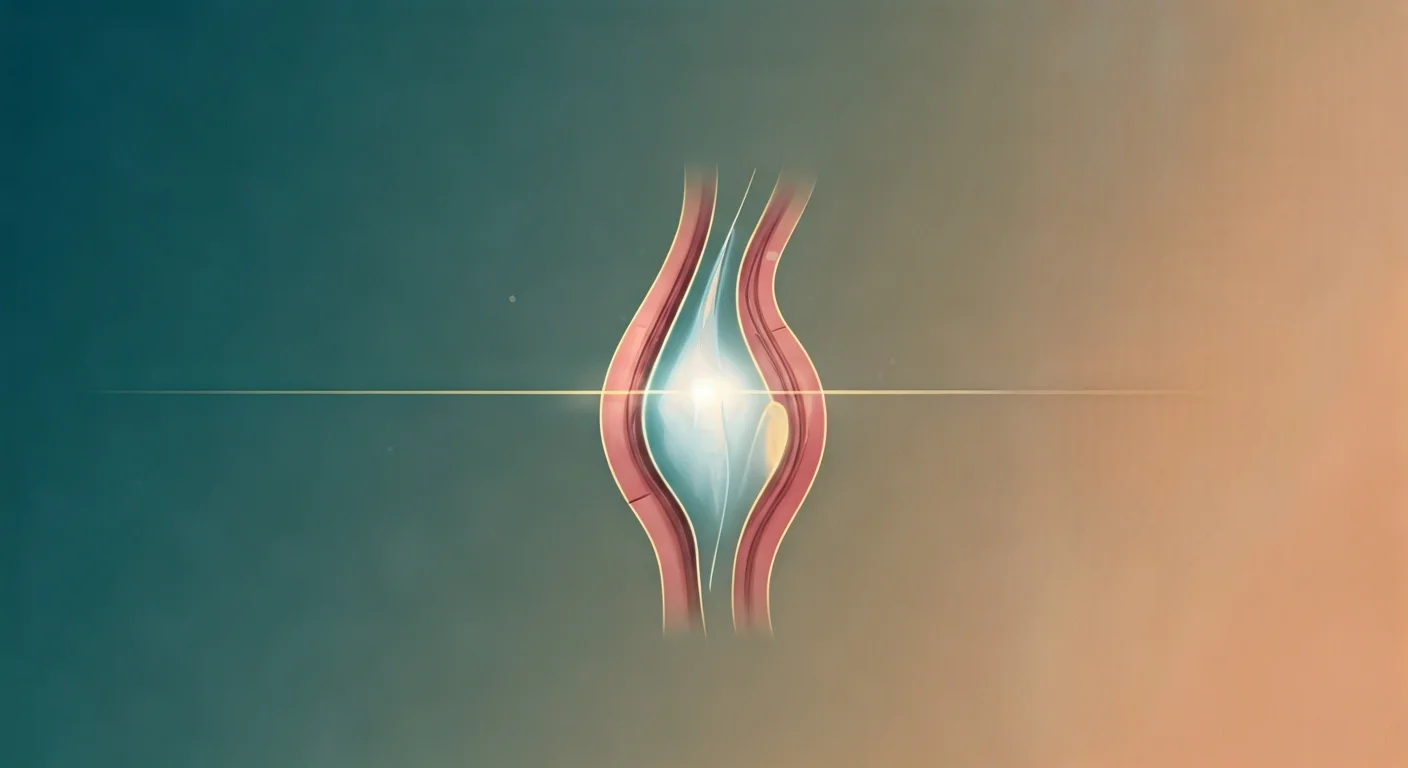
Endovenous Laser Ablation (EVLA) is a modern procedure for treating varicose veins. It involves inserting a thin laser fiber into the affected vein. Laser energy then heats and seals the vein, causing it to collapse and eventually disappear. This redirects blood flow to healthy veins, alleviating symptoms and improving leg health.
Frequently Asked Questions
What are varicose veins and why do they need treatment?
Varicose veins are enlarged, twisted veins, often appearing on the legs. They result from weakened vein walls and faulty valves, causing blood to pool. Left untreated, they can lead to pain, swelling, skin changes, and ulcers. Treatment, like EVLA, aims to alleviate symptoms and prevent further complications, improving overall leg health and quality of life.
How does Endovenous Laser Ablation (EVLA) work?
EVLA treats varicose veins by using focused laser energy. A thin fiber is inserted into the affected vein, guided by ultrasound. The laser delivers heat directly to the vein wall, causing it to contract, seal shut, and eventually be absorbed by the body. This reroutes blood flow to healthier veins, restoring proper circulation and reducing symptoms.
Is EVLA a painful procedure?
EVLA is typically performed under local anesthesia, minimizing discomfort during the procedure itself. Patients may feel some pressure or warmth. Post-procedure, mild soreness or bruising is common, managed with over-the-counter pain relievers. Most describe the discomfort as manageable, much less than traditional surgery, allowing for a quicker return to normal activities.
What are the benefits of choosing EVLA over traditional surgery?
EVLA offers several advantages over traditional vein stripping. It is minimally invasive, involving small incisions, leading to less pain and scarring. Recovery is faster, allowing a quicker return to daily activities. The procedure is performed outpatient, avoiding hospital stays. Its efficacy and safety profile are also excellent, making it a preferred option for many patients.
Who is a suitable candidate for EVLA?
Individuals experiencing symptoms like pain, swelling, or skin changes due to varicose veins are potential candidates. Those with diagnosed chronic venous insufficiency, particularly involving the great or small saphenous veins, often benefit most. A thorough evaluation by a vascular specialist, like Dr. Rafael Costa at SoulClin in Belo Horizonte, determines suitability for the procedure.
Are there any risks or complications associated with EVLA?
EVLA is generally safe, but like any medical procedure, it carries some risks. Potential complications include bruising, temporary numbness, skin discoloration, or superficial phlebitis. Serious complications, such as deep vein thrombosis or nerve damage, are rare. Dr. Rafael Costa ensures patient safety through meticulous technique and comprehensive pre-operative assessment and care.
How long does the EVLA procedure take?
The duration of an EVLA procedure typically ranges from 45 minutes to an hour, depending on the number and extent of veins being treated. This includes preparation time and the laser application itself. Patients can usually go home shortly after the procedure, making it a convenient outpatient option for managing varicose veins effectively.
What is the recovery time after EVLA?
Recovery after EVLA is relatively quick. Most patients can walk immediately and return to light daily activities within 1-2 days. Strenuous exercise should be avoided for a few weeks. Compression stockings are typically worn for a specified period to support healing. Full recovery and resolution of symptoms can take several weeks, with continuous improvement.
Will my varicose veins return after EVLA?
EVLA has a high success rate in closing treated veins. However, new varicose veins can develop over time due to the progressive nature of venous disease. This is not a recurrence of the treated vein but the emergence of new ones. Regular follow-ups with Dr. Rafael Costa at SoulClin help manage long-term vein health and address any new concerns.
Can EVLA treat all types of varicose veins?
EVLA is highly effective for treating larger, underlying varicose veins, especially the great and small saphenous veins. For smaller feeder veins or spider veins, complementary treatments like CLaCS or sclerotherapy may be used. Dr. Rafael Costa tailors a comprehensive treatment plan based on individual vein mapping, ensuring optimal results for each patient.
What post-procedure care is necessary after EVLA?
Essential post-procedure care includes wearing compression stockings as advised, engaging in regular walking, and avoiding prolonged standing or sitting. Keep the treated area clean and dry. Pain medication can manage any discomfort. Dr. Rafael Costa will schedule follow-up appointments to monitor your healing process and address any concerns, ensuring a smooth recovery.
When can I resume normal activities after EVLA?
Most patients can resume most normal, non-strenuous activities within 1-2 days after EVLA. This includes work that does not involve heavy lifting or prolonged standing. Strenuous exercise, heavy lifting, and hot baths should be avoided for at least two to three weeks, as guided by Dr. Rafael Costa and the SoulClin team for optimal healing.