What is Endolaser Saphenous Ablation and how does it treat varicose veins?
Endolaser Saphenous Ablation (EVLA) is a highly effective, minimally invasive procedure for treating varicose veins caused by saphenous vein incompetence. It uses laser energy to close the diseased vein, diverting blood flow to healthy veins. This outpatient treatment at SoulClin, performed by Dr. Rafael Costa, addresses the root cause of chronic venous insufficiency.
Medically Reviewed by Dr. Rafael Henrique Rodrigues Costa
How does Endolaser Saphenous Ablation work to treat varicose veins?
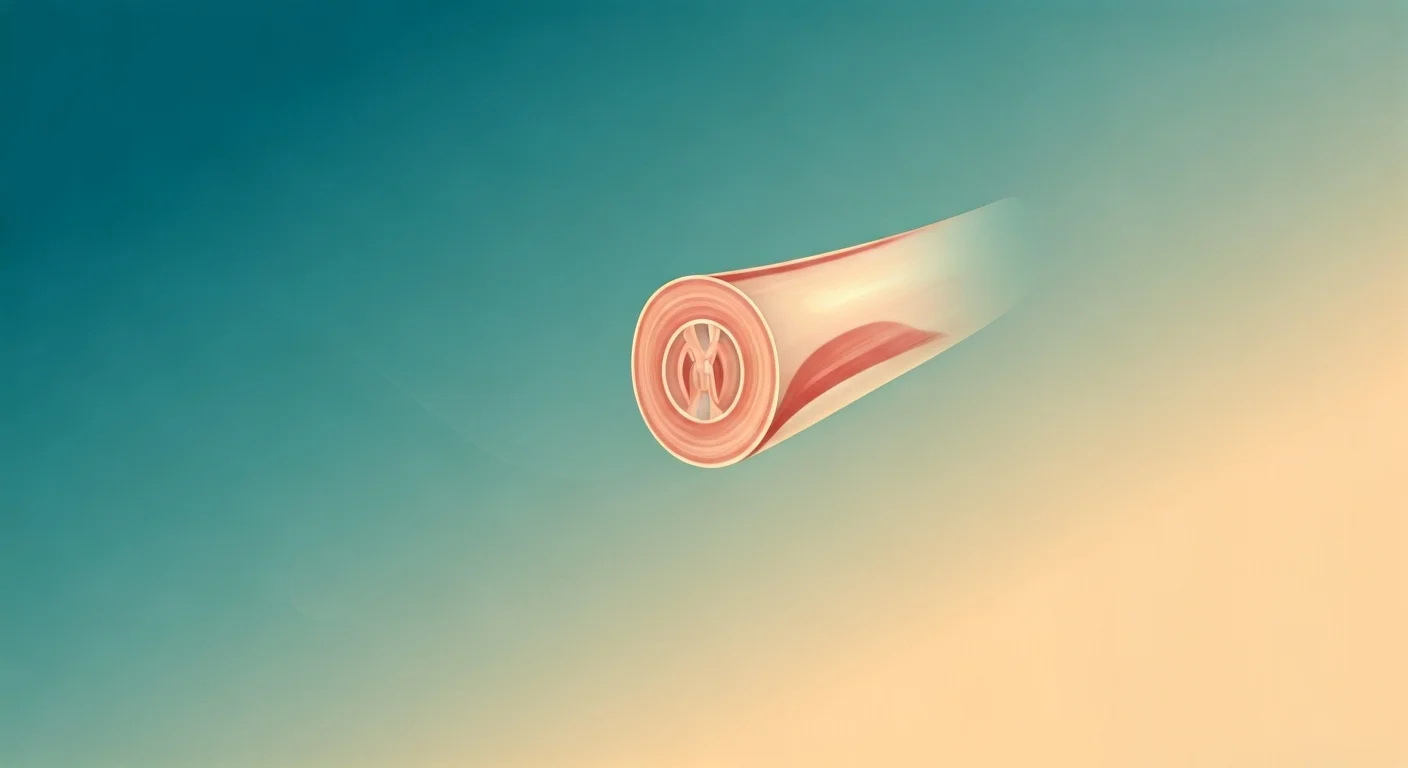
Resumo: Endolaser Saphenous Ablation works by delivering precise laser energy directly into the affected saphenous vein. This energy heats the vein wall, causing it to collapse and seal shut. Over time, the body naturally absorbs the closed vein. This process effectively eliminates venous reflux, improving circulation and resolving varicose vein symptoms.
Chronic venous insufficiency (CVI) often begins with incompetent valves in the great or small saphenous veins, leading to blood pooling and increased pressure in the leg veins. This condition affects a significant portion of the population, impacting approximately 25-40% of women and 10-20% of men globally, as indicated by medical guidelines.
During an Endolaser procedure, Dr. Rafael Costa uses ultrasound guidance to insert a thin laser fiber into the problematic saphenous vein. The laser then delivers controlled heat as the fiber is slowly withdrawn. This targeted energy causes the vein to fibrose and close, thereby stopping the abnormal backward flow of blood (reflux). By treating the source of the reflux, the visible varicose veins that branch off the saphenous vein often shrink or disappear, and associated symptoms like pain, swelling, and heaviness improve.
This method is a cornerstone of modern vascular treatment due to its precision and efficacy. It represents a significant advancement over older surgical techniques, offering a less invasive alternative with comparable or superior long-term outcomes.
What are the primary benefits of choosing Endolaser over traditional surgery?
Resumo: Endolaser ablation offers several advantages over traditional vein stripping surgery. It is a minimally invasive, outpatient procedure, typically performed under local anesthesia. Patients experience less pain, bruising, and scarring, along with a significantly faster recovery time. This allows for a quicker return to daily activities compared to conventional surgical approaches for varicose veins.
Traditional varicose vein surgery, such as high ligation and stripping, involved larger incisions, general anesthesia, and often a hospital stay. The recovery period could be prolonged, with more discomfort and visible scarring.
Endolaser Saphenous Ablation, on the other hand, requires only a small skin puncture, usually less than a centimeter. This micro-invasive approach minimizes tissue disruption and trauma. Patients can typically walk immediately after the procedure and resume most normal activities within a few days. The reduced invasiveness contributes to a lower risk of complications and a more comfortable patient experience.
At SoulClin in Belo Horizonte, Dr. Rafael Costa prioritizes minimally invasive techniques like Endolaser to ensure patient comfort and efficient recovery, aligning with his philosophy of advanced technological care.
Who is a suitable candidate for Endolaser Saphenous Ablation?
Resumo: Candidates for Endolaser ablation typically have symptomatic varicose veins caused by incompetence of the great or small saphenous veins. Symptoms include leg pain, swelling, heaviness, cramping, or skin changes. A thorough vascular ultrasound performed by Dr. Rafael Costa at SoulClin is essential to confirm saphenous vein reflux and determine suitability for the procedure.
The CEAP classification system is an international standard used to categorize chronic venous disorders, ranging from C0 (no visible signs) to C6 (active venous ulcer). Patients classified as C2 (varicose veins) and above, especially those with confirmed saphenous vein reflux, are often ideal candidates for Endolaser.
During your consultation at SoulClin, Dr. Rafael Costa will conduct a detailed medical history review and a physical examination. The crucial diagnostic step is a vascular Doppler ultrasound, which maps the venous system, identifies incompetent valves, and measures the extent of reflux. This diagnostic precision ensures that the Endolaser treatment targets the exact source of the problem, optimizing outcomes.
Certain factors, such as pregnancy, acute deep vein thrombosis, or severe arterial disease, might temporarily or permanently preclude a patient from Endolaser. Dr. Costa will discuss all considerations to determine the most appropriate treatment plan for your specific condition, emphasizing evidence-based decisions.
What does the Endolaser procedure involve from start to finish?
Resumo: The Endolaser procedure begins with precise ultrasound mapping of the diseased vein. Local anesthesia is then administered along the vein's path, ensuring patient comfort. A small incision allows insertion of the laser fiber, guided by ultrasound. Laser energy is activated to seal the vein as the fiber is slowly withdrawn. The entire outpatient procedure typically lasts less than an hour.
Before the procedure, the target vein is meticulously marked on the skin using ultrasound. This mapping ensures accuracy and guides the entire process. Once the area is anesthetized, a small catheter is inserted into the vein, and the laser fiber is threaded through it to the highest point of reflux.
Dr. Rafael Costa employs continuous ultrasound imaging throughout the procedure to visualize the fiber's position and monitor the vein's closure. This real-time guidance is critical for safety and efficacy. A tumescent anesthetic solution, a dilute mixture of lidocaine and saline, is injected around the vein. This solution serves multiple purposes: it numbs the area, compresses the vein to ensure good contact with the laser, and protects surrounding tissues from heat.
As the laser fiber is slowly pulled back, the laser energy is delivered, causing the vein to contract and seal. Patients may feel a mild sensation of warmth or pressure, but significant pain is uncommon due to the local anesthesia. Upon completion, the fiber is removed, and a small bandage is applied to the puncture site. The patient can then walk out of the clinic, typically wearing a compression stocking.
What kind of recovery can I expect after Endolaser Saphenous Ablation?
Resumo: Recovery after Endolaser ablation is generally swift. Patients are encouraged to walk immediately after the procedure. Compression stockings are typically worn for a few weeks to aid healing and reduce swelling. Most individuals can resume light activities within a day or two, with strenuous exercise usually restricted for a couple of weeks. Follow-up appointments are scheduled to monitor progress.
Post-procedure care is crucial for optimal results. Wearing graduated compression stockings as instructed by Dr. Rafael Costa helps minimize swelling and supports the treated vein. Regular walking is encouraged to promote healthy blood flow and prevent complications like deep vein thrombosis.
Patients may experience mild discomfort, bruising, or tightness along the treated vein, which can usually be managed with over-the-counter pain relievers. Numbness in small areas of the skin near the treated vein can also occur but is usually temporary. Based on more than 15,000 procedures performed, Dr. Costa’s patients generally report high satisfaction with their rapid return to normal life.
Follow-up ultrasound examinations are typically scheduled at one week and then at one month post-procedure to confirm the vein closure and assess overall healing. Dr. Costa provides detailed instructions for post-operative care, ensuring a smooth and effective recovery journey at SoulClin.
Are there any potential risks or complications associated with Endolaser treatment?
Resumo: While Endolaser Saphenous Ablation is considered very safe and effective, as with any medical procedure, there are potential risks. These are generally minor and temporary, including bruising, swelling, temporary numbness, or mild discomfort. Rare complications may include skin burns, superficial thrombophlebitis, or deep vein thrombosis (DVT).
Serious complications from Endolaser ablation are uncommon, especially when performed by an experienced vascular surgeon like Dr. Rafael Costa. The use of ultrasound guidance throughout the procedure significantly reduces the risk of unintended injury to surrounding tissues or nerves. The tumescent anesthesia also provides a protective buffer.
Superficial thrombophlebitis, an inflammation of a superficial vein, can occur but is usually self-limiting and manageable with anti-inflammatory medication and compression. Deep vein thrombosis (DVT) is a rare but more serious complication, which is why early ambulation and compression therapy are emphasized post-procedure. Dr. Costa will discuss all potential risks and how they are mitigated during your consultation, ensuring you make an informed decision.
Choosing a specialist with extensive experience in endovenous procedures, such as Dr. Rafael Costa at SoulClin, is essential for minimizing risks and achieving the best possible outcomes. His commitment to advanced techniques and patient safety ensures a high standard of care.
Why choose Dr. Rafael Costa and SoulClin for Endolaser Saphenous Ablation in Belo Horizonte?
Resumo: Choosing Dr. Rafael Costa at SoulClin for Endolaser Saphenous Ablation means entrusting your care to a highly experienced vascular surgeon. With over a decade of experience and more than 15,000 vascular procedures performed, Dr. Costa combines scientific knowledge with advanced technology and humanized care. His focus on minimally invasive, evidence-based treatments ensures personalized, high-performance results for patients in Belo Horizonte.
Dr. Rafael Costa is a recognized expert in vascular surgery, specializing in the most advanced and minimally invasive treatments for varicose veins and chronic venous insufficiency. His practice at SoulClin in Belo Horizonte, MG, is equipped with state-of-the-art diagnostic and treatment technologies, including high-resolution ultrasound for precise guidance during procedures.
Dr. Costa's care philosophy emphasizes active listening, clear explanations, and treatment plans firmly based on current medical evidence. This approach empowers patients to make safe and conscious decisions about their health. He believes that "each varices tells a story," highlighting his personalized and empathetic approach to patient care.
Patients at SoulClin benefit from a comprehensive approach that extends beyond the procedure itself, including thorough pre-operative assessment and detailed post-operative follow-up. Dr. Costa's expertise in Endolaser Saphenous Ablation, combined with his dedication to patient comfort and excellent results, makes SoulClin a leading choice for vascular care in the region.
Frequently Asked Questions
Is Endolaser Saphenous Ablation a painful procedure?
Endolaser ablation is generally well-tolerated. Local anesthesia is used to numb the treatment area completely, ensuring patient comfort throughout the procedure. Some patients report a mild sensation of pressure or warmth, but significant pain is uncommon. Post-procedure discomfort is typically minimal and easily managed with over-the-counter pain relief.
How long does the Endolaser procedure take?
The actual Endolaser procedure typically takes between 30 to 60 minutes per leg. This duration can vary based on the length and complexity of the vein being treated. Including preparation and post-procedure observation, patients usually spend a couple of hours at the clinic before being able to go home.
When can I return to work after Endolaser treatment?
Most patients can return to work and light daily activities within one to two days after Endolaser Saphenous Ablation. It's crucial to avoid strenuous activities, heavy lifting, and prolonged standing or sitting for about two weeks. Dr. Rafael Costa will provide specific guidance tailored to your profession and recovery progress.
Will my varicose veins return after Endolaser ablation?
Endolaser ablation has a high success rate in permanently closing the treated vein, with occlusion rates above 95% at 5 years. While the treated vein is unlikely to reopen, new varicose veins can develop over time in other veins if there's a genetic predisposition or progression of venous disease. Regular follow-ups are important.
Do I need to wear compression stockings after the procedure?
Yes, wearing compression stockings is a vital part of the post-Endolaser recovery process. They help reduce swelling, minimize bruising, and support the treated vein, promoting proper healing. Dr. Rafael Costa will specify the type of stocking and the duration for which you should wear them, typically for a few weeks.
Is Endolaser Saphenous Ablation covered by health insurance?
Many health insurance plans cover Endolaser Saphenous Ablation when it is deemed medically necessary for symptomatic varicose veins and chronic venous insufficiency. Coverage can vary significantly between plans and providers. SoulClin's team can assist you with understanding your insurance benefits and navigating the pre-authorization process.
What is the difference between Endolaser and Radiofrequency Ablation (RFA)?
Both Endolaser and Radiofrequency Ablation are effective endovenous thermal ablation techniques. Endolaser uses laser energy, while RFA uses radiofrequency energy, to heat and seal the diseased vein. Both methods achieve excellent results, and the choice between them often depends on the specific characteristics of the vein and the vascular surgeon's preference and expertise.
Can Endolaser treat all types of varicose veins?
Endolaser Saphenous Ablation specifically targets the underlying incompetent saphenous veins, which are often the root cause of larger varicose veins. While it effectively treats the source, smaller varicose veins or spider veins that are not directly connected to the saphenous system may require additional treatments like sclerotherapy or CLaCS for complete resolution.
How soon will I see results after Endolaser treatment?
Many patients notice an improvement in their symptoms, such as reduced pain and heaviness, within a few days to a week after Endolaser treatment. The visible appearance of varicose veins may gradually improve over several weeks to months as the body reabsorbs the treated vein. Final aesthetic results become more apparent over time.
What should I avoid before my Endolaser procedure?
Before your Endolaser procedure, Dr. Rafael Costa will provide specific instructions. Generally, it's advised to avoid certain medications like blood thinners or anti-inflammatory drugs if cleared by your doctor. You should also avoid applying lotions or creams to your legs on the day of the procedure. Ensure you have someone to drive you home.