What is Endolaser Saphenous Ablation and How Does it Treat Varicose Veins Without Hospitalization?
Endolaser Saphenous Ablation (EVLA) is a modern, minimally invasive procedure that uses laser energy to close diseased saphenous veins, addressing the underlying cause of varicose veins. This outpatient treatment avoids traditional surgery, allowing for quicker recovery and a return to daily activities without requiring a hospital stay.
Medically Reviewed by Dr. Rafael Henrique Rodrigues Costa
What exactly is Endovenous Laser Ablation (EVLA)?
Resumo: Endovenous Laser Ablation (EVLA), often referred to as Endolaser, is a medical procedure designed to treat chronic venous insufficiency by closing incompetent saphenous veins. It involves inserting a thin laser fiber directly into the affected vein. The laser energy then heats and seals the vein from within, rerouting blood flow to healthier veins.
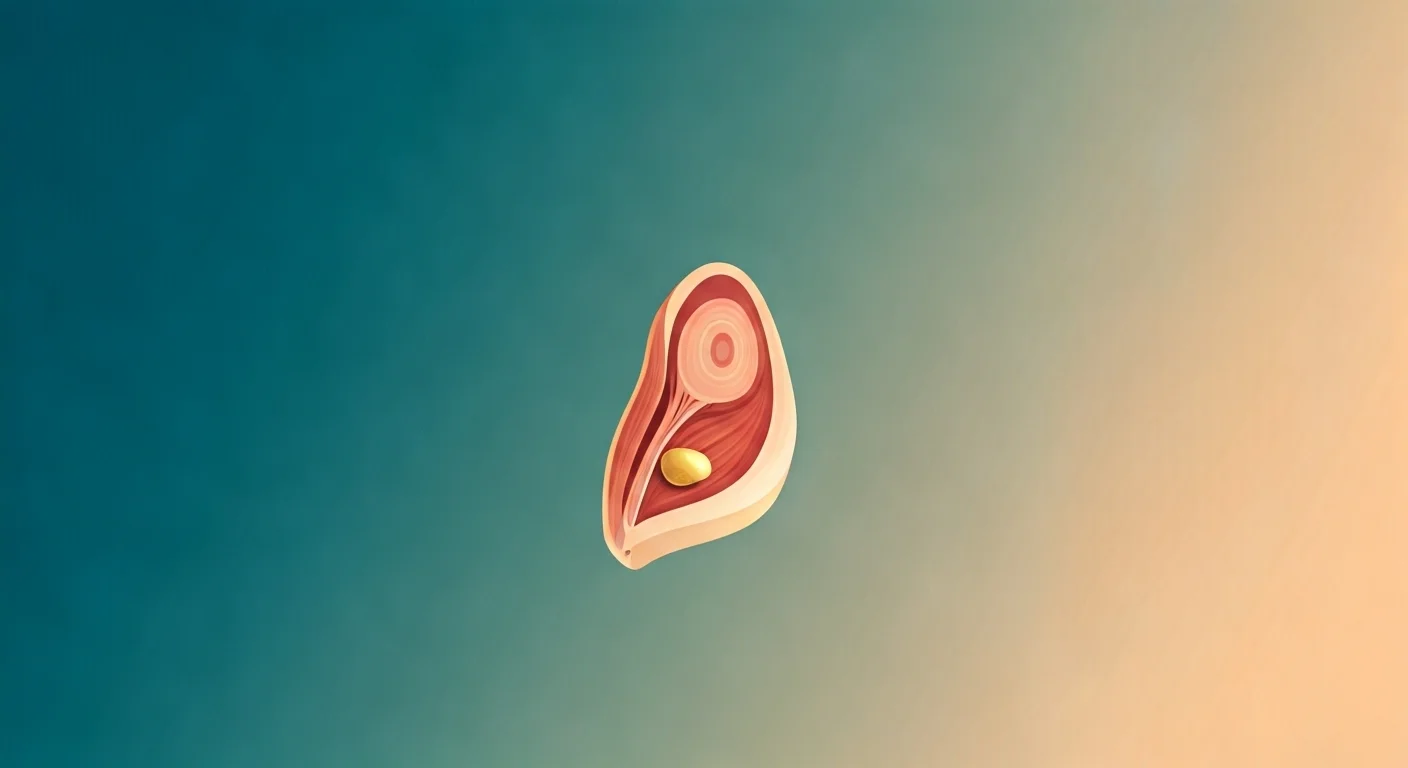
Chronic venous insufficiency (CVI) occurs when leg veins struggle to return blood to the heart, often due to faulty valves. This leads to blood pooling, which can manifest as varicose veins, swelling, skin changes, and ulcers. EVLA directly targets the source of this problem by ablating the primary refluxing vein, typically the great or small saphenous vein. This approach helps alleviate symptoms and improve overall venous health. For more information on understanding chronic venous insufficiency, visit our dedicated page.
Historically, treating these veins involved surgical stripping, a more invasive procedure requiring general anesthesia and a longer recovery. Endolaser represents a significant advancement, offering an effective alternative with fewer risks and less downtime. Dr. Rafael Costa at SoulClin in Belo Horizonte utilizes this advanced technique, focusing on patient comfort and optimal outcomes.
How does EVLA effectively treat the root cause of varicose veins?
Resumo: EVLA treats the root cause by directly addressing the incompetent saphenous vein, which is often responsible for venous reflux and the development of varicose veins. The laser energy creates controlled heat within the vein, causing its walls to collapse and seal shut. This permanent closure eliminates the source of abnormal blood flow, forcing blood to naturally redirect through healthy veins.
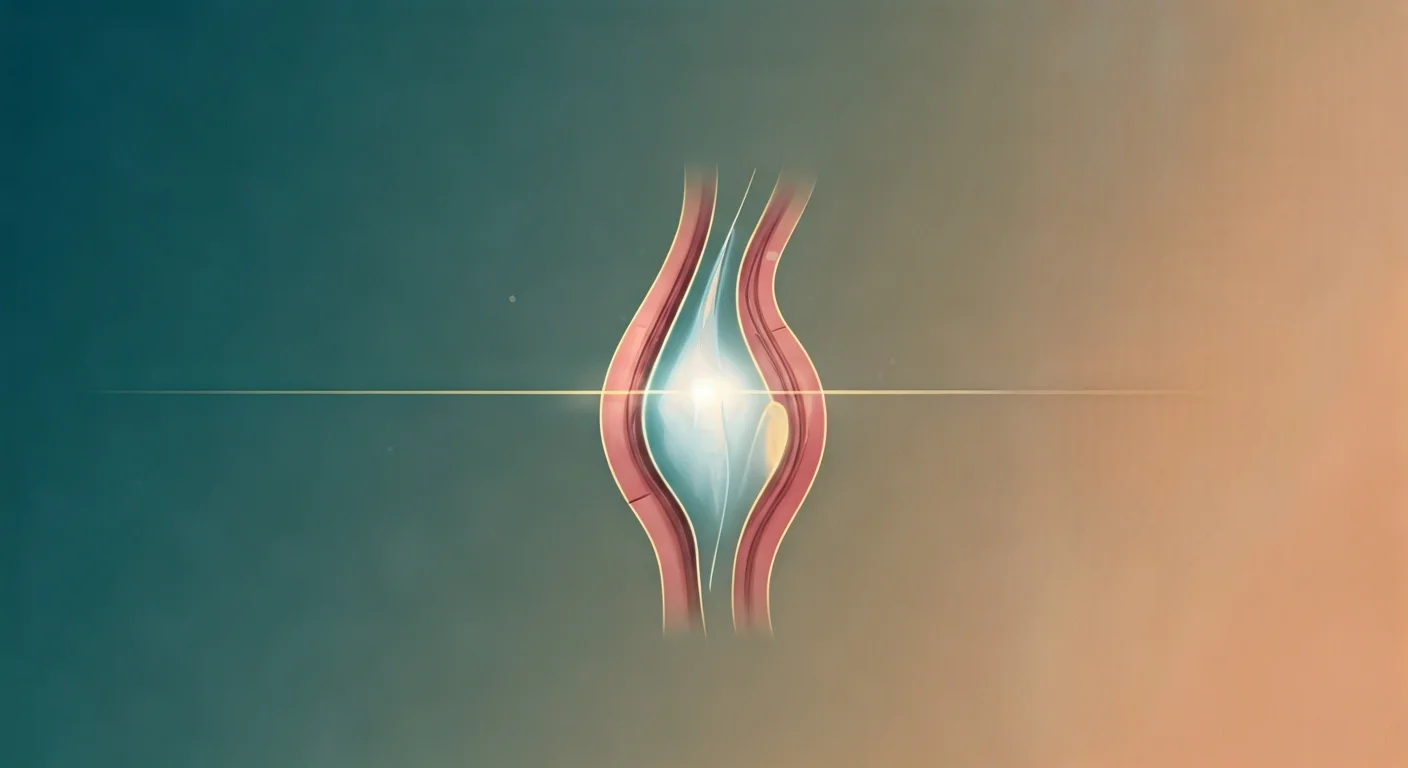
The mechanism of EVLA is precise and targeted. Under ultrasound guidance, a small incision is made, and a laser fiber is threaded into the problematic saphenous vein. As the fiber is slowly withdrawn, the laser emits energy, heating the vein wall. This heat causes denaturation of collagen and contraction of the vein, leading to fibrosis and permanent occlusion.
By closing the diseased saphenous vein, EVLA prevents the backward flow of blood (reflux) that contributes to increased pressure in the smaller superficial veins. This reduction in venous pressure helps alleviate symptoms such as pain, heaviness, swelling, and improves the appearance of visible varicose veins. This procedure is a cornerstone of minimally invasive vascular treatment at SoulClin, guided by Dr. Rafael Costa's extensive experience.
What are the primary advantages of choosing Endolaser over traditional vein surgery?
Resumo: Endolaser offers several key advantages over traditional surgical stripping, including its minimally invasive nature, which typically means smaller incisions and less scarring. It is usually performed under local anesthesia, eliminating the need for general anesthesia. Patients experience less post-operative pain, a faster recovery period, and can often return to normal activities much sooner, avoiding hospitalization entirely.
Traditional vein stripping involves physically removing the saphenous vein, requiring larger incisions and a more extensive recovery. In contrast, Endolaser is an outpatient procedure, meaning patients can go home the same day. This significantly reduces the inconvenience and risks associated with hospital stays.
Key advantages include:
- Minimally Invasive: Only a small puncture is needed, leading to minimal scarring.
- Local Anesthesia: Often performed with local anesthesia, reducing systemic risks.
- Rapid Recovery: Most patients resume light activities within 1-2 days.
- Reduced Pain: Significantly less post-operative pain compared to stripping.
- High Efficacy: Occlusion rates are above 95% at 5 years, comparable to or better than traditional surgery. (Source: ESC 2022 guidelines)
Dr. Rafael Costa emphasizes these benefits, providing patients in Belo Horizonte with advanced care focused on efficiency and comfort.
Who is a suitable candidate for Endolaser Saphenous Ablation?
Resumo: Candidates for Endolaser typically have symptomatic varicose veins caused by insufficiency in the great or small saphenous veins. Symptoms might include leg pain, heaviness, swelling, skin changes, or even healed or active venous ulcers. A thorough vascular ultrasound examination is essential to confirm saphenous vein reflux and determine the suitability of the procedure, guiding individualized treatment plans.
The decision for Endolaser treatment is based on a comprehensive evaluation by a vascular specialist. This assessment includes a physical examination and, critically, a Doppler ultrasound. The ultrasound helps to map the venous system, identify incompetent valves, and measure the extent of venous reflux. Patients classified as C2-C6 according to the CEAP system (Clinical-Etiological-Anatomical-Pathophysiological) are often good candidates for this procedure.
Contraindications can include severe arterial disease, acute deep vein thrombosis, or pregnancy. Dr. Rafael Costa conducts a detailed consultation to ensure Endolaser is the most appropriate and safest treatment option for each patient, aligning with his philosophy of evidence-based care.
What does the Endolaser procedure involve from start to finish?
Resumo: The Endolaser procedure begins with precise ultrasound mapping of the diseased vein. The area is then numbed with local anesthesia. A small incision allows for the insertion of a thin catheter and laser fiber into the vein. Once positioned, the laser is activated as the fiber is slowly withdrawn, sealing the vein. The entire process typically takes less than an hour, and patients can walk immediately afterward.
Preparation for the Endolaser procedure is straightforward. Patients usually arrive at the clinic, undergo final checks, and have the treatment area marked. The procedure steps are:
- Ultrasound Mapping: The vascular surgeon uses ultrasound to precisely locate the incompetent saphenous vein and mark the treatment area.
- Local Anesthesia: The leg is numbed using a tumescent anesthetic solution, which also helps to compress the vein around the laser fiber, protecting surrounding tissues.
- Catheter Insertion: A tiny incision, often just a pinprick, is made to insert a thin catheter, followed by the laser fiber, into the targeted vein.
- Laser Ablation: The laser fiber is activated, and as it is slowly pulled back, the laser energy heats and closes the vein along its length.
- Post-Procedure: The fiber is removed, and a small bandage is applied. Compression stockings are immediately placed on the leg.
Dr. Rafael Costa ensures each step is performed with meticulous care, leveraging advanced ultrasound guidance for accuracy and patient safety at SoulClin.
What can I expect during recovery after Endolaser ablation?
Resumo: Recovery after Endolaser ablation is typically swift, with most patients able to walk immediately and resume light daily activities within one to two days. Compression stockings are crucial for several weeks to aid healing and reduce swelling. Mild bruising, soreness, or tightness along the treated vein are common but generally manageable with over-the-counter pain relievers. Strenuous exercise should be avoided for a short period.
The minimally invasive nature of Endolaser means a significantly easier recovery compared to traditional surgery. Patients are encouraged to walk regularly from day one, as this helps promote blood circulation and reduce the risk of complications. Dr. Rafael Costa provides detailed post-procedure instructions, which typically include:
- Compression Therapy: Wearing graduated compression stockings as directed is vital for optimal healing.
- Activity: Light walking is encouraged; avoid prolonged standing or sitting. Strenuous activities, heavy lifting, and intense exercise should be avoided for about two weeks.
- Discomfort Management: Any mild pain or discomfort can usually be managed with acetaminophen or ibuprofen.
- Follow-up: A follow-up ultrasound is typically scheduled within a week to confirm vein closure and assess recovery.
Most patients report a significant improvement in symptoms and quality of life shortly after the procedure, reflecting the effectiveness of modern endovenous treatments.
Are there any risks or potential complications associated with Endolaser Saphenous Ablation?
Resumo: While Endolaser Saphenous Ablation is generally safe, as with any medical procedure, there are potential risks. These are typically minor and may include temporary bruising, swelling, or tenderness along the treated vein. Rare complications can include skin burns, temporary numbness due to nerve irritation, or deep vein thrombosis (DVT). Serious complications are infrequent, and Dr. Rafael Costa takes extensive precautions to minimize these risks.
The low incidence of complications is one reason Endolaser is a preferred treatment. However, patients should be aware of potential issues:
- Bruising and Swelling: Common and usually resolve within a few weeks.
- Pain/Tenderness: Mild discomfort along the treated vein is normal.
- Hyperpigmentation: Temporary skin discoloration over the treated vein can occur.
- Nerve Injury: Rare, usually temporary numbness or tingling if a superficial nerve is irritated.
- Deep Vein Thrombosis (DVT): A very rare but serious complication, minimized by post-procedure walking and compression.
Dr. Rafael Costa discusses all potential risks thoroughly during the consultation, ensuring patients make informed decisions. His experience, with over 15,000 vascular procedures performed, contributes to a high standard of patient safety at SoulClin.
Frequently Asked Questions
Is Endolaser Saphenous Ablation a painful procedure?
The Endolaser procedure itself is not typically painful, as it is performed under local anesthesia. Patients may feel a sensation of pressure or mild discomfort during the anesthetic injections. After the procedure, some individuals report a feeling of tightness or mild soreness along the treated vein, which is usually manageable with over-the-counter pain medication for a few days.
How long does an Endolaser treatment session take?
A typical Endolaser treatment session for one leg usually takes approximately 45 minutes to an hour. This duration includes preparation, administration of local anesthesia, the laser ablation itself, and immediate post-procedure care. The exact time can vary depending on the length and complexity of the vein being treated, but it is generally a quick outpatient procedure.
What is the success rate of Endolaser Saphenous Ablation?
Endolaser Saphenous Ablation has a high success rate, with studies showing vein occlusion rates above 95% at five years. This indicates that the treated vein remains closed and effectively resolves the underlying venous reflux. The long-term efficacy contributes significantly to symptom relief and improved quality of life for most patients undergoing the procedure.
Will my varicose veins return after Endolaser treatment?
While Endolaser effectively closes the treated saphenous vein, it does not prevent the development of new varicose veins in other areas or the progression of venous disease in untreated veins. However, the treated vein itself is permanently closed. Regular follow-ups and adopting healthy lifestyle habits can help manage venous health and detect any new concerns early.
What kind of anesthesia is used for Endolaser ablation?
Endolaser ablation is typically performed using local tumescent anesthesia. This involves injecting a dilute anesthetic solution around the vein being treated. Tumescent anesthesia numbs the area, minimizes discomfort during the procedure, and helps protect surrounding tissues from heat. This approach avoids the need for general anesthesia and its associated risks.
How soon can I return to work after Endolaser treatment?
Most patients can return to non-strenuous work within one to two days after Endolaser treatment. If your job involves prolonged standing, heavy lifting, or intense physical activity, Dr. Rafael Costa might recommend a slightly longer period of rest, typically a few days to a week, to ensure optimal healing and recovery.
Do I need to wear compression stockings after the procedure?
Yes, wearing compression stockings is a crucial part of the post-procedure care after Endolaser ablation. They help reduce swelling, minimize bruising, and promote healing by applying gentle, consistent pressure to the treated leg. Dr. Rafael Costa will provide specific instructions on how long and when to wear them, typically for several weeks.
Can Endolaser treat all types of varicose veins?
Endolaser is primarily designed to treat larger varicose veins that originate from an incompetent saphenous vein. It addresses the underlying reflux. Smaller varicose veins, spider veins, or reticular veins may require additional treatments like sclerotherapy or superficial phlebectomy after the main source of reflux has been treated with Endolaser for comprehensive results.
Is Endolaser Saphenous Ablation covered by insurance?
Many health insurance plans cover Endolaser Saphenous Ablation when it is deemed medically necessary to treat symptomatic chronic venous insufficiency. Coverage can vary widely depending on your specific insurance provider and policy. SoulClin's team can assist with verifying benefits and understanding the necessary documentation for potential reimbursement.
What is the long-term outlook after Endolaser treatment?
The long-term outlook after Endolaser treatment is generally excellent, with sustained closure of the treated vein and significant improvement in symptoms for most patients. Regular follow-up appointments with Dr. Rafael Costa are recommended to monitor venous health and address any new concerns that may arise over time, ensuring continued well-being.